
 Share on Facebook
 Share on Twitter
 Share on LinkedIn
 Share by Email
 Print
Print
While disease-modifying antirheumatic drugs (DMARDs) have been life changing for many patients with rheumatoid arthritis (RA), treatment retention is less than ideal. Results of a large, multicenter study by Ebina et al showed that nearly one-half of patients with RA discontinued DMARD therapy within 3 years. Lack of effectiveness and adverse events were cited as the reasons for treatment discontinuation among approximately 25% and 12% of patients, respectively.1
Such findings highlight the pressing need for additional long-term therapies. Neuroimmune modulation represents a promising treatment strategy that uses vagus nerve stimulation (VNS) to reduce inflammation in several diseases, including RA.
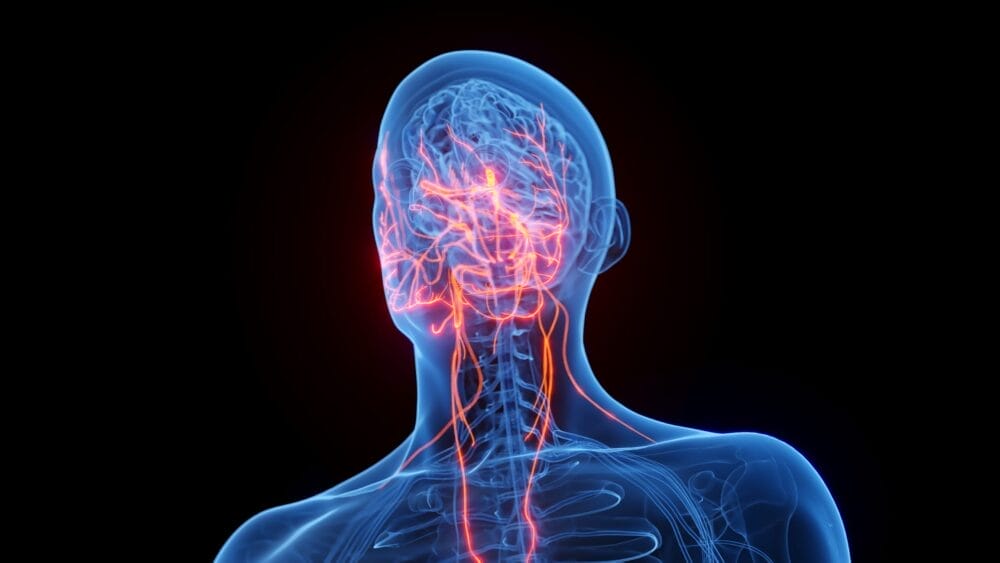
“Vagus nerve stimulation is thought to trigger a reflex arc involving the splenic nerve, spleen, and T-cells, which in turn activates anti-inflammatory pathways,” explained Mark Richardson, MD, PhD, director of functional neurosurgery at Massachusetts General Hospital, co-director of neurosurgery at Mass General Neuroscience, and the Charles Pappas Associate Professor of Neurosciences at Harvard Medical School in Boston.
Among patients with RA, the best candidates for VNS are those with moderate to severe disease and an incomplete response or intolerance to at least 1 DMARD. This is according to Dr Richardson, who served as principal investigator (PI) in stage 1 of the pivotal RESET-RA trial (ClinicalTrials.gov Identifier: NCT04539964), which demonstrated the safety and efficacy of VNS in patients with RA.2 A total of 242 patients were ultimately enrolled in the trial, and the novel VNS device (SetPoint Medical, Valencia, CA) was implanted on the left cervical vagus nerve in each patient.3
Along with the evidence supporting the use of VNS in patients with RA, recent data from other clinical trials “indicate that direct VNS may be well-suited to treat other inflammatory diseases, such as multiple sclerosis (MS) or inflammatory bowel disease (IBD),” Dr Richardson said.4 “We are on the verge of opening a new era in minimally invasive neurosurgery of the peripheral nervous system, for which there are millions of patients who may benefit.”
For an in-depth discussion on the results of RESET-RA, proposed mechanisms driving the clinical benefit of VNS, and future directions regarding the use of this treatment in RA, Rheumatology Advisor interviewed John Tesser, MD, adjunct clinical associate professor at the College of Health Sciences at Midwestern University in Glendale, Arizona, and rheumatologist and researcher at Arizona Arthritis & Rheumatology Associates in Phoenix. Dr Tesser, who served as PI in stage 2 of the RESET-RA trial, presented the study results in November 2024 at the American College of Rheumatology (ACR) Convergence.3
What do the results of the RESET-RA trial reveal about the efficacy of VNS for the treatment of RA?
Dr Tesser: The efficacy data show a significant statistical difference for the active stimulation with the VNS device against placebo sham stimulation, with ACR 20% response (ACR20) as the primary outcome. At week 12, there was a statistically significant difference between the treatment (35.2%) and control (24.2%) groups (P =.0209; 95% CI, 0.6-23.1).
The ACR20 response further improved to 51.5% in the treatment group and 53.2% in the control group, after crossover, by week 24. This suggests that it may take more than 3 months to reach the maximum response, and the crossover offers confidence that the effect is real.
Also, the Disease Activity Score in 28 joints using C-reactive protein (DAS28-CRP) low disease activity (LDA) and remission as secondary outcomes favored stimulation, as did slowing of erosions, synovitis, and osteitis bone Rheumatoid Arthritis Magnetic Resonance Imaging joint scores in a population of patients with previous treatment failure of tumor necrosis factor (TNF), biologic DMARD, and targeted-synthetic DMARD therapies.
It’s very important to understand the context of this patient group as being about 60% advanced therapy failures and only 40% with 1 previous TNF failure, as well as 13 years of disease duration. All other TNF inadequate response patient trials were the opposite, in that two-thirds of patients had only 1 advanced therapy failure and one-third had 2 or more, with 8 to 10 years of disease duration. This means that the deck was stacked against the ability for the SetPoint device to achieve higher levels of success compared with all previously tested advanced therapies.
When looking at ACR and DAS28-CRP responses in subsets of multiple advanced therapy groups in other biologic and Janus kinase inhibitor trials, they are largely similar to what we see in the RESET-RA study. A prespecified subgroup analysis of ACR20 responses at week 12 in patients with just 1 prior biologic or targeted-synthetic DMARD exposure showed a 44.2% response in the treatment group compared with 19.0% in the control group (P =.0054; 95% CI, 7.1-43.3).
The data also show that 80% of patients did not have additional RA therapies added to their regimen, suggesting that the device may provide extended benefit, as most of the patients had reached over 500 days with the device along with conventional synthetic DMARDs. As the device may be demonstrating a longer duration of efficacy, it is intriguing to consider that some patients may now have very good control over their RA for an extended period, which obviates the need for more drug therapies. This would optimally prevent the need for drug switches and the attendant hassle of prior authorizations and potential lapses of continuous care encased in that process.
What do the RESET-RA results suggest about the safety and tolerability of VNS in RA treatment?
Dr Tesser: The safety profile results of the trial helped to establish confidence in this treatment strategy. There were no flags of serious infections, malignancies, major adverse cardiovascular events (MACE), or venous thromboembolism (VTE) events associated with the device. This data can help to establish that the device may have distinct advantages for therapeutic use in patients with RA who have comorbidities or high risk for these serious events.
There was some adversity related to the procedure, including dysphonia and hoarseness, with a couple of serious adverse events of this nature. These are not unexpected, as they have occurred among the 100,000 VNS implants for epilepsy, depression, and stroke rehab over the last 20 years.
One very important point is that the US Food and Drug Administration allowed rescue with advanced therapies in the trial, which underscores their confidence that there would not be much risk for the types of serious events typically associated with immunosuppressive drug therapy. By inference in clinical practice, rheumatologists could feel confident in adding advanced therapies to the regimen of patients who have had the device implanted but have not attained an adequate response.
What are the proposed mechanisms of action underlying the effects of VNS in patients with RA?
Dr Tesser: Neurosurgeon Kevin Tracey, who has a special interest in TNF biology and an extensive background in scientific evidence of the neuro-immune connection, identified what is now termed the “inflammatory reflex.”5 When the afferent fibers of the vagus nerve sense systemic inflammation, they carry neural signals to the brain, which reflexively sends braking signals downstream via the efferent fibers to modulate the degree of inflammation and to counterbalance and fine tune the amount of systemic inflammation in the body.6
These fibers transport these down-regulatory signals to the celiac plexus where neurons send norepinephrine message to splenic T cells, which in turn message downstream splenic macrophages and other immunocompetent cells via acetylcholine. The macrophages and other cells are down-regulated in their production and release of inflammatory cytokines including interleukin (IL)-1B, IL-6, TNF, and IL-23.
This reflex is the underpinning of the science and the purpose of VNS. It’s important to understand that it took almost 20 years for the pain-staking process of identifying the vagus nerve fibers involved and then deducing the proper current, amplitude, and duration of time for stimulation – 1 minute per day – to accomplish the goal of controlling the inflammatory reflex to affect control of RA disease activity.
Which patients would likely be the most appropriate candidates for this therapy, and what are the potential drawbacks of this approach?
Dr Tesser: There are numerous subsets of patients for whom this therapy has immediate appeal, including those at risk for serious infections, MACE, VTE, or malignancy events; those with neurologic demyelinating diseases or other central nervous system or peripheral neuropathies for whom TNF and perhaps IL-6 therapies are not advised; patients who are needle phobic, intravenous-averse, or prefer nondrug therapies; and patients who may have difficulty accessing care because of distance. Of course, patients who may have failed multiple advanced therapies are also likely to be among the first group of individuals to be tried on this therapy.
What are future directions for research in this area, and what potential barriers may affect accessibility of this treatment for patients with RA?
Dr Tesser: The inflammatory reflex pertains to the control of systemic inflammation and is not necessarily disease specific. Therefore, other autoimmune diseases are fair game for exploring this therapy. These include MS and IBD, diseases that SetPoint Medical currently has in focus. Other disease states could include psoriatic disease, systemic lupus erythematosus, and possibly other rheumatic and nonrheumatic diseases.
Barriers to access would include payer coverage for the procedure, device, and programming and software control of the device. This is typical of new therapies, and the payers will need to be educated about the science and data behind this treatment approach. SetPoint Medical will work with rheumatologists and surgeons to establish a prior authorization hub that will facilitate this process for these providers.
Rheumatologists would have to work in conjunction with neurosurgeons and possibly specifically trained ear, nose, and throat surgeons to do the implantation, but the surgical investigators who participated in the trial act as a base of such surgeons in major cities around the country. Rheumatologists tend to be a conservative bunch; many don’t like to adopt new therapies upon initial approval and often wait for broader real-world evidence from others’ experience before trying a newer therapy. Investigators in the study will have to work along with SetPoint Medical to increase awareness of this therapy and its data among our peers so they can better understand the perceived safety advantage and effectiveness data to appropriately select the right patients and manage adoption of the therapy.
This article originally appeared on Rheumatology Advisor
References:
- Ebina K, Hashimoto M, Yamamoto W, et al. Drug tolerability and reasons for discontinuation of seven biologics in elderly patients with rheumatoid arthritis -the ANSWER cohort study. PLoS One. Published online May 8, 2019. doi:10.1371/journal.pone.0216624
- Peterson D, Van Poppel M, Boling W, et al. Clinical safety and feasibility of a novel implantable neuroimmune modulation device for the treatment of rheumatoid arthritis: initial results from the randomized, double-blind, sham-controlled RESET-RA study. Bioelectron Med. Published online March 13, 2024. doi:10.1186/s42234-023-00138-x
- Tesser J, June J, Wickersham P, et al. Neuroimmune modulation in adults with rheumatoid arthritis and inadequate response or intolerance to biological or targeted synthetic DMARDs: results at 12 and 24 weeks from a randomized, sham-controlled, double-blind pivotal study. Arthritis Rheumatol.2024;76(suppl):S9. American College of Rheumatology Convergence 2024 abstract L10.
- Liu FJ, Wu J, Gong LJ, Yang HS, Chen H. Non-invasive vagus nerve stimulation in anti-inflammatory therapy: mechanistic insights and future perspectives. Front Neurosci. Published online November 12, 2024. doi:10.3389/fnins.2024.1490300
- Tracey KJ. Reflex control of immunity. Nat Rev Immunol. 2009;9(6):418-428. doi:10.1038/nri2566
- Falvey A. Vagus nerve stimulation and inflammation: expanding the scope beyond cytokines. Bioelectron Med. Published online December 1, 2022. doi:10.1186/s42234-022-00100-3


