
In recognition of National Epilepsy Awareness Month, experts discuss the use of antiseizure medications for the management of epilepsy during pregnancy.

In recognition of National Epilepsy Awareness Month, experts discuss the use of antiseizure medications for the management of epilepsy during pregnancy.

Experts discuss evidence-based strategies to improve the diagnosis and care of cluster headache.

Zohran Mamdani’s campaign platform outlined an ambitious plan to expand access to health care and strengthen New York City’s public health infrastructure.

Growing research points to the Mediterranean diet as a potential modulator of inflammation, beta-amyloid deposition, and other pathways central to Alzheimer progression.

Changes in estrogen are often solely attributed to the menopause-CVD connection. How can physicians avoid overfocusing on hormones in menopause?

The Supplemental Nutrition Assistance Program plays a role in slowing cognitive decline by alleviating food insecurity, but challenges related to accessibility and systemic inequities continue to restrict the program’s ability to support healthy aging.

An 80-year-old woman is admitted from the emergency department to the telemetry floor after feeling disoriented and confused. At approximately 10 PM, the patient was noted to be restless. She began to get out of her bed. After being returned to her bed several times, the patient was given a sedative and diagnosed with sundowning.

Experts highlighted the importance of early autism diagnosis and intervention, addressing access barriers, disparities in care, and the development of new tools to improve early detection.

Research linking antiseizure medications with suicidality led to a class-wide safety warning on antiseizure medications, but subsequent studies have provided a more nuanced understanding.

Dr Viola Vaccarino and Dr Elizabeth Vella discuss the link between anger, stress and cardiovascular events.
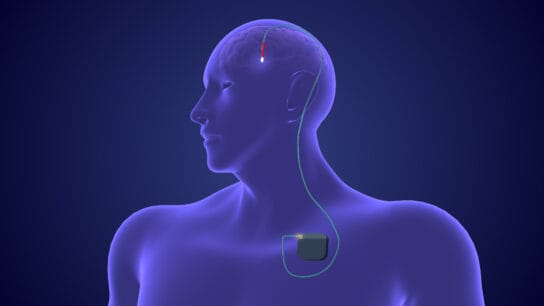
Experts gave an overview of deep brain stimulation use in the treatment of Parkinson disease, sharing symptoms most responsive to treatment, proposed mechanisms of action, and more.
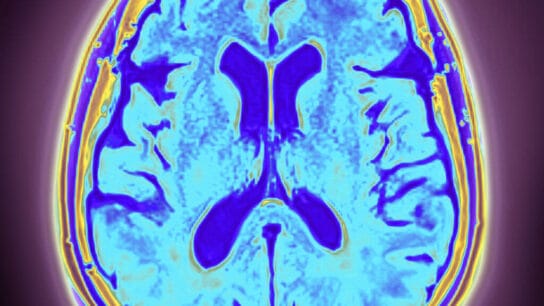
Nonmodifiable risk factors for DLB include age and family history. Risk increases substantially in individuals with a first-degree relative who has DLB, including a 2-fold increase if a sibling is affected.

Primary care providers have the potential to help prevent their patients with AF from developing all-cause dementia by managing their treatment effectively. Taking a few moments to review a patient’s medications and assess their mental status could significantly extend their lifespan and enhance their overall quality of life.

A family’s journey navigating an 8-year-old boy’s rare neurodegenerative CLCN6 mutation highlights diagnostic challenges and hope through emerging gene therapy research.

A variety of research into GLP-1 RAs shows a pattern of adverse ocular effects, prompting recommendations for ophthalmic evaluations with their use.

Dylan Wint, MD, highlights key barriers in Alzheimer disease care and emphasizes a multidisciplinary approach to improve quality of life for both patients and caregivers.

Dr L’Erario shares insights on the evolving landscape of neurologic care for transgender and gender-diverse patients, highlighting key clinical considerations and needs to advance equity and outcomes in this underserved population.

With the FDA approval of Zepbound (tirzepatide) for obstructive sleep apnea, GLP-1 receptor agonists harbor potential beyond weight and diabetes management.

Black women face many challenges when receiving adequate sleep disorder treatment and diagnoses including neighborhood disadvantage, anti-Black ideologies, and the Superwoman schema.

We spoke with Mark Richardson, MD, PhD, and John Tesser, MD, to discuss vagus nerve stimulation for the treatment RA and results of the pivotal RESET-RA trial.

The American Academy of Neurology (AAN), American Epilepsy Society (AES), and Epilepsy Foundation of America (EFA) have released guidance on seizures, driver licensure, and medical reporting.

Drs O’Neal and Eid share their experiences entering the field of neurology, the challenges they face, and advice for future women neurologists.

Dementia risk has been linked to air pollution exposure — particularly PM2.5 exposure — through a growing body of medical research.

The American College of Physicians released new clinical guidance on the prevention of episodic migraine in adults who are not pregnant or lactating in an outpatient setting.

The Alzheimer’s Association released a new clinical practice guideline for clinicians in primary and specialty care on how to diagnose patients with suspected Alzheimer disease (AD) and AD-related dementias.

Dr Umakanth Katwa and Dr Rafael Pelayo give clinical guidance on the accurate diagnosis and evidence-based treatment of pediatric insomnia.

Dr Mikhail Kogan and partner attorney Griffen J Thorne discuss what the reclassification of marijuana could mean for practicing physicians.

The AHA’s Target BP initiative is a movement to increase blood pressure control among adults living with hypertension in the United States.

Despite misconceptions, geriatric LGBTQ+ adults who live in rural communities require culturally competent care tailored to their unique needs.

David Hasan, MD, MSc, shares his experience on providing health care in an active war zone and how these missions changed his perspective as a neurosurgeon.

You’ve read {{metering-count}} of {{metering-total}} articles this month.
We want you to take advantage of everything Neurology Advisor has to offer. To view unlimited content, log in or register for free.
{{login-button}} {{register-button}}
Want to view more content from Neurology Advisor?
Register now at no charge to access unlimited clinical news with personalized daily picks for you, full-length features, case studies, conference coverage, and more.
{{login-button}} {{register-button}}
Please login or register first to view this content.

