
The revision to the diagnostic manual does away with the complex multiaxial organization in favor of a simpler chapter order of disorders.

The revision to the diagnostic manual does away with the complex multiaxial organization in favor of a simpler chapter order of disorders.
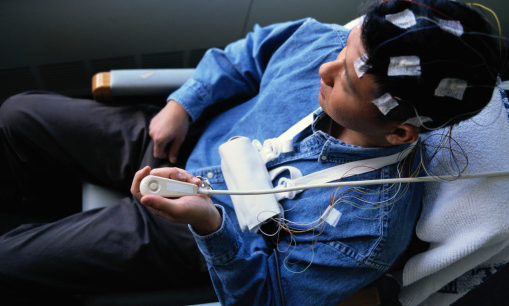
Research to enhance understanding of SUDEP biology is critical for discovering clinical and molecular biomarkers that could help identify at-risk patients.
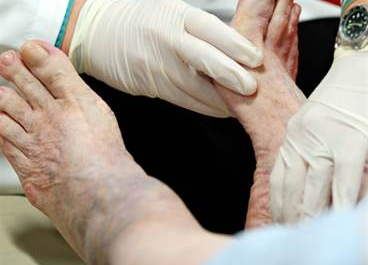
Developing drugs that selectively block specific sodium channels could be the holy grail of neuropathic pain treatment.

Genetically-engineered CGRP antibodies have proven effective in initial trials at reducing migraine days.

As the U.S. population ages, clinicians can expect to evaluate and treat more geriatric patients for sleep disorders.
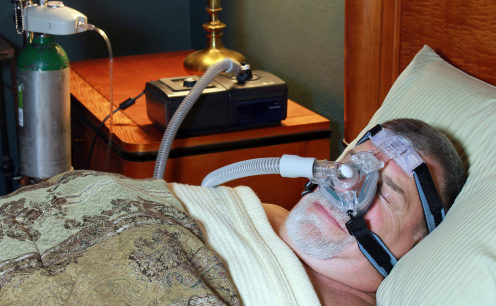
Sleep-related breathing disorders are often underdiagnosed and need to be recognized and treated before harm comes to a patient or those around them.
Treating pain in psychiatric patients can be complicated by poor communication and numerous symptoms.

Patients should be counseled on sleep hygiene before considering prescription sleep aides.

Omega-3 fatty acids, melatonin, and digestive enzymes are being investigated as potential treatments.

Identification, assessment and evaluation of concussions enables clinicians to determine a safe return date for young athletes.

Cognitive impairment in individuals with major depressive disorder should be treated as a primary problem.

Nonpharmacologic management across multidisciplinary teams is warranted due to lack of effective pharmacologic options to treat agitation.

In those older than age 65 years, high BP heightens risk for various forms of heart disease as well as for chronic kidney disease and diabetes mellitus.

Federal criminalization of the drug—most commonly used in the treatment of HIV, pain and glaucoma—has limited research into its effectiveness.

The advent of oral therapy now gives multiple sclerosis patients more options besides injections, which were the mainstay treatment.

You’ve read {{metering-count}} of {{metering-total}} articles this month.
We want you to take advantage of everything Neurology Advisor has to offer. To view unlimited content, log in or register for free.
{{login-button}} {{register-button}}
Want to view more content from Neurology Advisor?
Register now at no charge to access unlimited clinical news with personalized daily picks for you, full-length features, case studies, conference coverage, and more.
{{login-button}} {{register-button}}
Please login or register first to view this content.

