Determinations of brain death are becoming increasingly clouded by special circumstances, religious beliefs, and inconsistencies across state lines.

Determinations of brain death are becoming increasingly clouded by special circumstances, religious beliefs, and inconsistencies across state lines.
Thiamine, a simple supplement that helps reverse Wernicke syndrome, is often underused and misused.
Misconceptions about vaccines and autism persist despite growing scientific evidence that no link exists.

Sleep experts weigh in on whether the NSF’s new sleep recommendations are appropriate and beneficial for the general population.
The role of GCH1 mutations in Parkinson’s disease is complicated by the mutation’s seemingly exclusive role in dopa-responsive dystonia.

Implementing a ketogenic diet in patients with drug-resistant epilepsy could produce significant reductions in seizure frequency.
Advancements in mobile detection technology allow immediate assessment, but can’t replace a medical professional’s diagnosis.

The most recognized symptom of MS is fatigue, a hard to treat comorbidity that can manifest into other conditions.
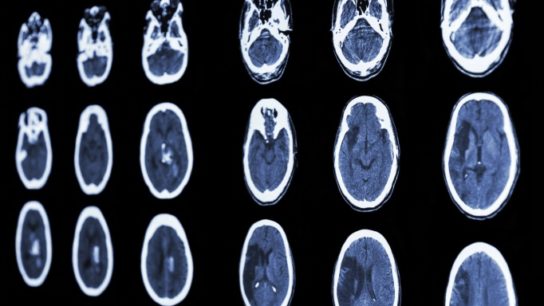
The affect of stroke on young adults goes far beyond functional disabilities.
The role of teleneurology can grow far beyond critical stroke care, but only if medical liabilities and insurance steps out of the way.
Vestibular migraine may have finally won its own diagnostic criteria, but the condition is still shrouded in uncertainties.
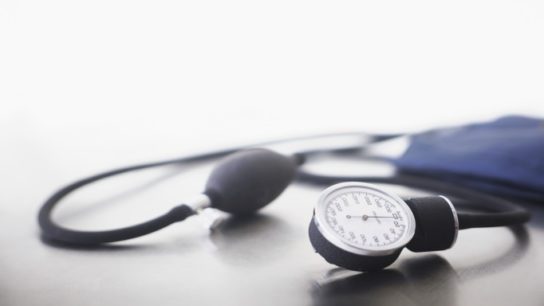
With no established guidelines, much of the decisions for management of hypertension during stroke are based on clinician experience.

Vitamin D deficiency is known to contribute to neurodegenerative diseases like dementia, however its connection to ALS is not yet well understood.
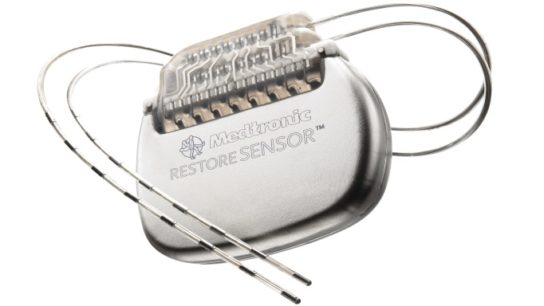
Closed-loop neurostimulation technology is being investigated for movement disorders, headache, and even some neuropsychiatric disorders.

A personalized approach to treating epileptic seizures ensures a balance of effectiveness and tolerability for each patient.

While new technology is making it more accessible, the clinical applications of genome sequencing are still being explored.
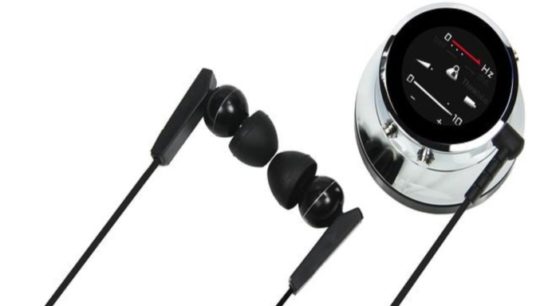
Tech may be at the top of every doctor’s wish list, but there’s even something here for traditionalists.
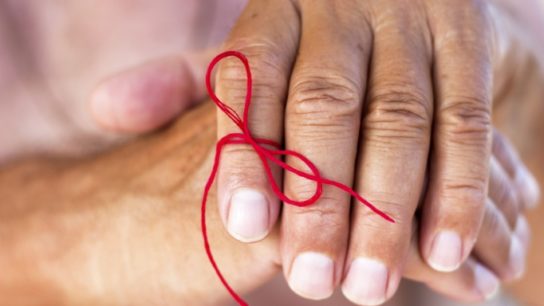
Researchers are hoping that anti-amyloid and other treatments can help slow the dementia epidemic.
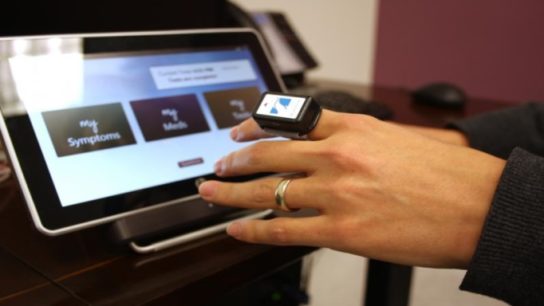
Motion-sensing technology provides a lot of data, but researchers still aren’t sure if it’s clinically useful.
The medical community is taking steps to clarify delirium pathology and diagnosis.
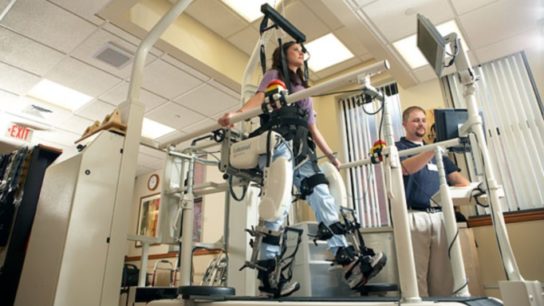
Robotics, stem cell therapy, and computer-controlled interfaces are promising, but cost may slow adoption.
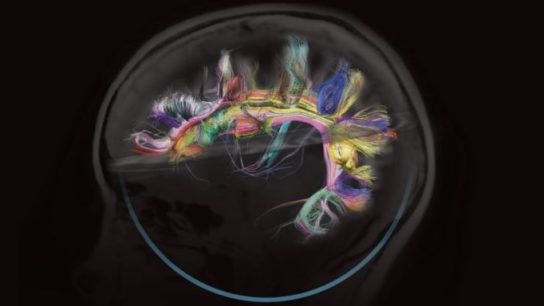
Adopting a more open-access environment crucial to developing new technologies for understanding the human brain.
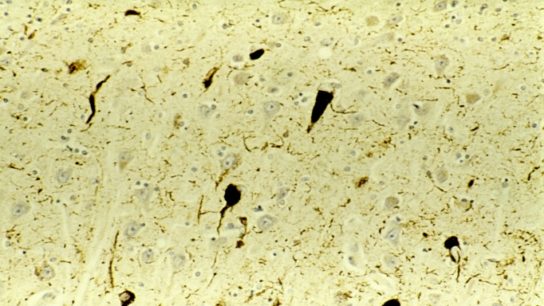
Cerebrospinal fluid, neuroimaging techniques, and blood and skin peripheral tissues may hold the answers to recognizing Alzheimer’s disease earlier.
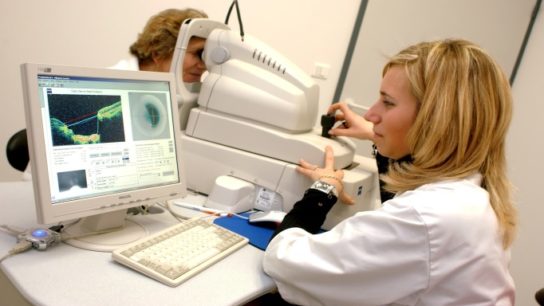
Advanced imaging technologies to monitor multiple sclerosis (MS) are being developed but have been plagued by high costs and invasive procedures.
The broad pathology of sleep disorders can make diagnosis and treatment complicated.
Diagnosis of rapidly progressive dementias is difficult due to broad pathology and underdeveloped diagnostic criteria for clinical settings.
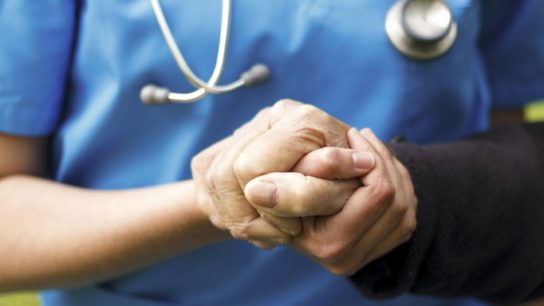
Several anti-diabetes agents hold promise for Parkinson’s disease-related neurodegeneration.
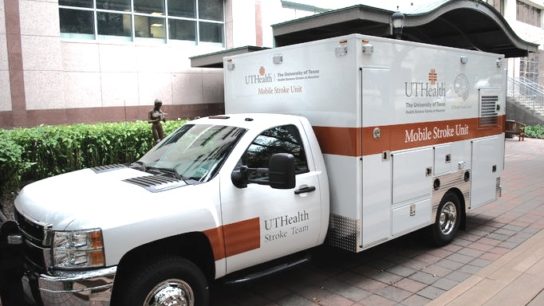
If the UTHealth mobile stroke unit program can show that treating ischemic stroke within 60 minutes is feasible and cost effective, more may start rolling out nationally.

As part of an industry effort to reduce wasteful practices that contribute to healthcare costs, the American Academy of Neurology published its recommendations, code-named “Choose Wisely.”

Young people might not understand the health consequences of participating in stunts that help them feel like part of the crowd.

You’ve read {{metering-count}} of {{metering-total}} articles this month.
We want you to take advantage of everything Neurology Advisor has to offer. To view unlimited content, log in or register for free.
{{login-button}} {{register-button}}
Want to view more content from Neurology Advisor?
Register now at no charge to access unlimited clinical news with personalized daily picks for you, full-length features, case studies, conference coverage, and more.
{{login-button}} {{register-button}}
Please login or register first to view this content.

