
Functional MRI may provide a less-invasive option for evaluating memory function in patients undergoing epilepsy surgery.

Functional MRI may provide a less-invasive option for evaluating memory function in patients undergoing epilepsy surgery.

The review found that there is substantial evidence that supports folic acid supplementation during pregnancy.
Keeping abreast of changing payment models and regulations is key to maximizing your practice’s finances.
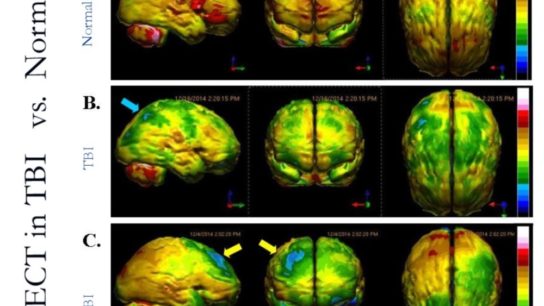
SPECT imaging can be more accurate in the diagnosis of traumatic brain injury and post-traumatic stress disorder than CT or MRI.

The guidelines were developed by a group of RLS experts from the US and Europe who utilized the American Academy of Neurology’s 2004 guideline development manual.
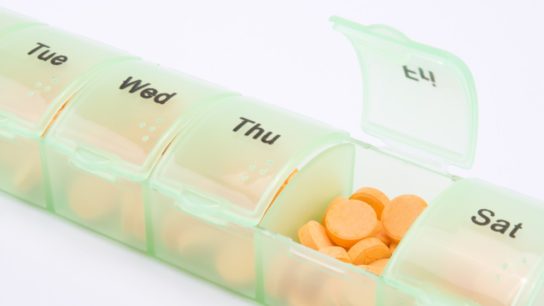
Recovery time varies depending on which class of medication the patient is overusing.

Learn about the key scientific sessions taking place at CNS 2016 and follow along with Neurology Advisor for full meeting coverage.
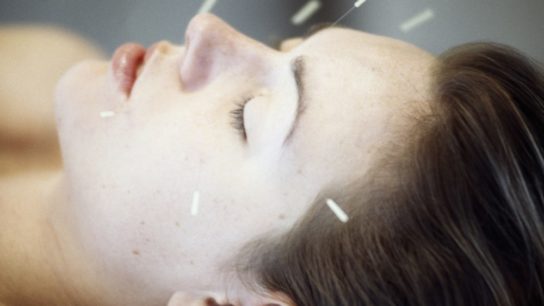
Acupuncture, neurostimulation, and other alternative treatments have been associated with up to a 50% reduction in headache days.

Neuroimaging and if necessary, genetic testing, can help to confirm an FTD diagnosis.

The 4th World Parkinson Congress takes September 20-23, 2016 in Portland, Oregon.
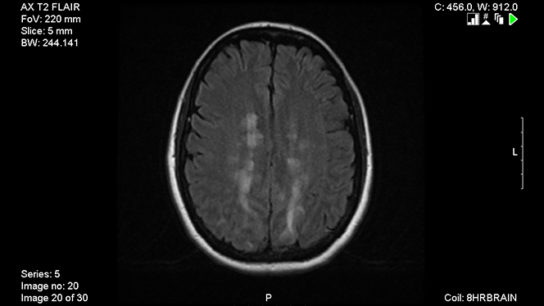
A proper MS diagnosis can only be made after obtaining imaging from the entire brain and understanding the clinical context.

The new guidelines include a step-by-step diagnostic algorithm for use in the clinical setting, as well as a special emphasis on neurobehavioral impairment.

Neurologists should collaborate with other specialties in order to increase awareness of migraine prevalence in men.

It has been proposed that the gut microbiome may be an important environmental risk factor in MS.

Myoclonic seizures may be easily mistaken for a possible tic disorder if the proper patient monitoring is not conducted during diagnosis.

It’s important for pediatric neurologists to spend time preparing the patient for the transition to adult care.
According to a 2010 report based on a survey of caregivers of people with DLB, 78% of cases were initially misdiagnosed.

Medication, plus a relatively sedentary lifestyle, places people with epilepsy at great risk of metabolic syndrome and its various complications.

While supplementation has produced a positive response in disease activity, adverse events based on dosing are concerning.

The guidelines are the result of a consensus of an international task force of MG experts.

One of the biggest hurdles is getting the patient to be honest and open with you about bladder problems.

The registry is a centralized data collection system that analyzes data on quality of care and patient outcomes.

More than 50% of patients with migraine are treated with opioids in the ED despite known risks.
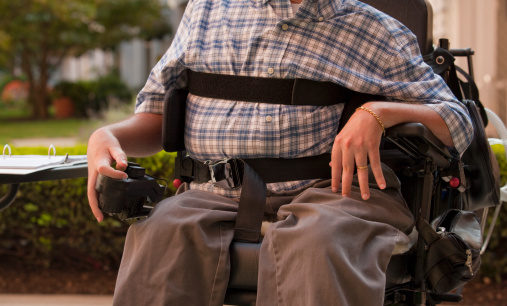
The DMD space is becoming increasingly crowded as the FDA works to identify a drug worth approving.

Some patients who are approaching seizure control can achieve improvement or seizure freedom by addressing sleep issues.
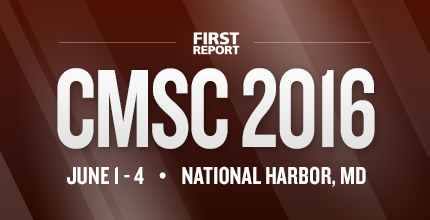
Neurology Advisor reviews the upcoming agenda for the CMSC annual meeting.
Theodore Henderson, MD, PhD, suggests that perhaps it’s time to check our bias at the door.

With a lack of official treatment guidelines, clinicians should remember to treat the patient, not just the condition.

Huma U. Sheikh, MD, provides highlights of recent clinical research in headache.

Children and teens with chronic headache pain should be screened for anxiety and depression.

You’ve read {{metering-count}} of {{metering-total}} articles this month.
We want you to take advantage of everything Neurology Advisor has to offer. To view unlimited content, log in or register for free.
{{login-button}} {{register-button}}
Want to view more content from Neurology Advisor?
Register now at no charge to access unlimited clinical news with personalized daily picks for you, full-length features, case studies, conference coverage, and more.
{{login-button}} {{register-button}}
Please login or register first to view this content.

