
Many in the medical field are wondering whether now may be the right time for medical malpractice reform.
Features
Debate continues as to whether ocular tremor represents a clinical marker of Parkinson’s disease or a compensatory movement related to other bodily tremors.
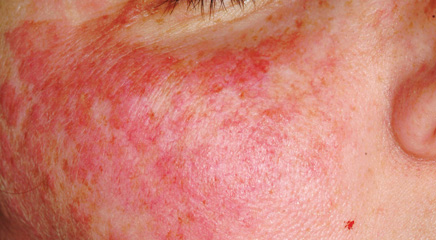
Woman with SLE complains of headache, confusion, and mild somnolence to the emergency department.
Catastrophizing makes pain more painful, makes it last longer, and makes pain much harder to treat.
Accountable Care Organizations (ACOs) are increasingly taking responsibility for health care management, record-keeping, and payment.
Putative pathogensis insights have grown tremendously in the past 10 years.

Doctors suggest that urban landscapes may be a cause for headaches.

While post-traumatic headache (PTH) often resolves within 3 months, a substantial number of patients experience chronic PTH.

Investigators identified a series of prodromal signs that appear anywhere from 1 to 18 years before a clinical diagnosis of SCA2.
There is up to a 4-fold increase in risk in people with a first-degree relative affected by migraines, and twin studies have demonstrated heritability of approximately 42%.
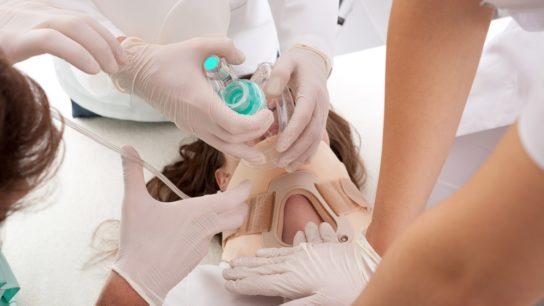
For survivors of nontraumatic cardiac arrest, brain injury becomes a major factor in disability and long-term survival.
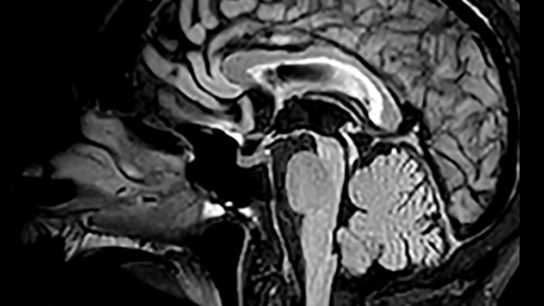
New guidelines for progressive supranuclear palsy provide very specific and sensitive criteria that allow for identification of clinical features of the disease at much earlier stages.

A hostile medical litigation climate is one of the major problems with the existing malpractice insurance system, driving significant losses of access to quality health care.
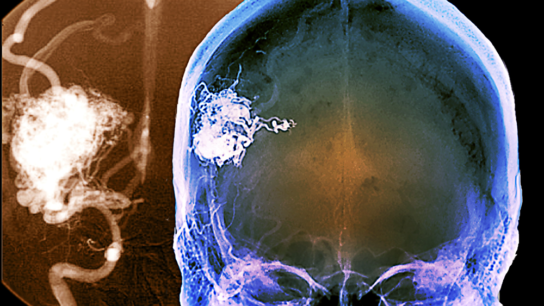
Several mechanisms involving trigeminovascular activation are often proposed in the literature as mechanisms underlying nonhemorrhagic headache in patients with AVM.

Neurologists need to engage their emergency medicine colleagues to identify protocols and pathways for when to trigger appropriate neurological consultation or initiate acute stroke therapies.

A patient should be notified of the possibility of developing an ICD before initiating any dopaminergic treatment for PD, particularly dopamine agonists.

This year’s annual meeting of the American Academy of Neurology takes place in Boston, MA from April 22-28, 2017.
As the population ages, and as both the incidence of diabetes and the survival rates after chemotherapy treatment increase, the number of patients with neuropathic pain is expected to rise.
The characteristics of migraine may change throughout a woman’s reproductive stages, and may require different treatment strategies.
The main objection to nonreporting of negative results is that it contributes to a body of knowledge that is at best, incomplete, and at worst, wrong.
The transition process can be challenging for patients and families, requiring a great deal of preplanning by providers.
The International League Against Epilepsy has revised its epilepsy classification system in an effort to inform epilepsy research and aid drug development.

The large number of recalls of medical devices has pointed to a need for more active monitoring of product performance from the standpoints of both safety and efficacy.
New evidence on diabetic neuropathy has emerged since the ADA’s last published a position statement in 2005.

Future research should focus on whether cogniphobia can be a modifiable factor in the treatment of patients with migraine.

There are several drug-based and non-pharmacological treatments available that can help reduce symptoms of depression in patients with epilepsy.
Female athletes face a greater incidence of and longer recovery time from concussion compared with males.
Comorbid psychological conditions affect cognitive function in Parkinson’s disease, and treatment can be complicated by overlapping symptoms.

The National Academies of Sciences, Engineering, and Medicine have released a report
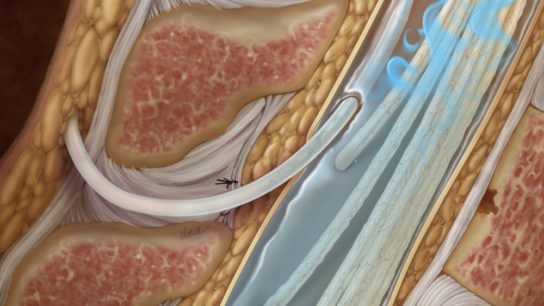
The new guidelines offer guidance on dosing, including reduced starting and maintenance dosing and safety precautions for diagnosing and treating complications.
-

Top Picks
from ourHaymarket Medical Network

