
 Share on Facebook
 Share on Twitter
 Share on LinkedIn
 Share by Email
 Print
Print
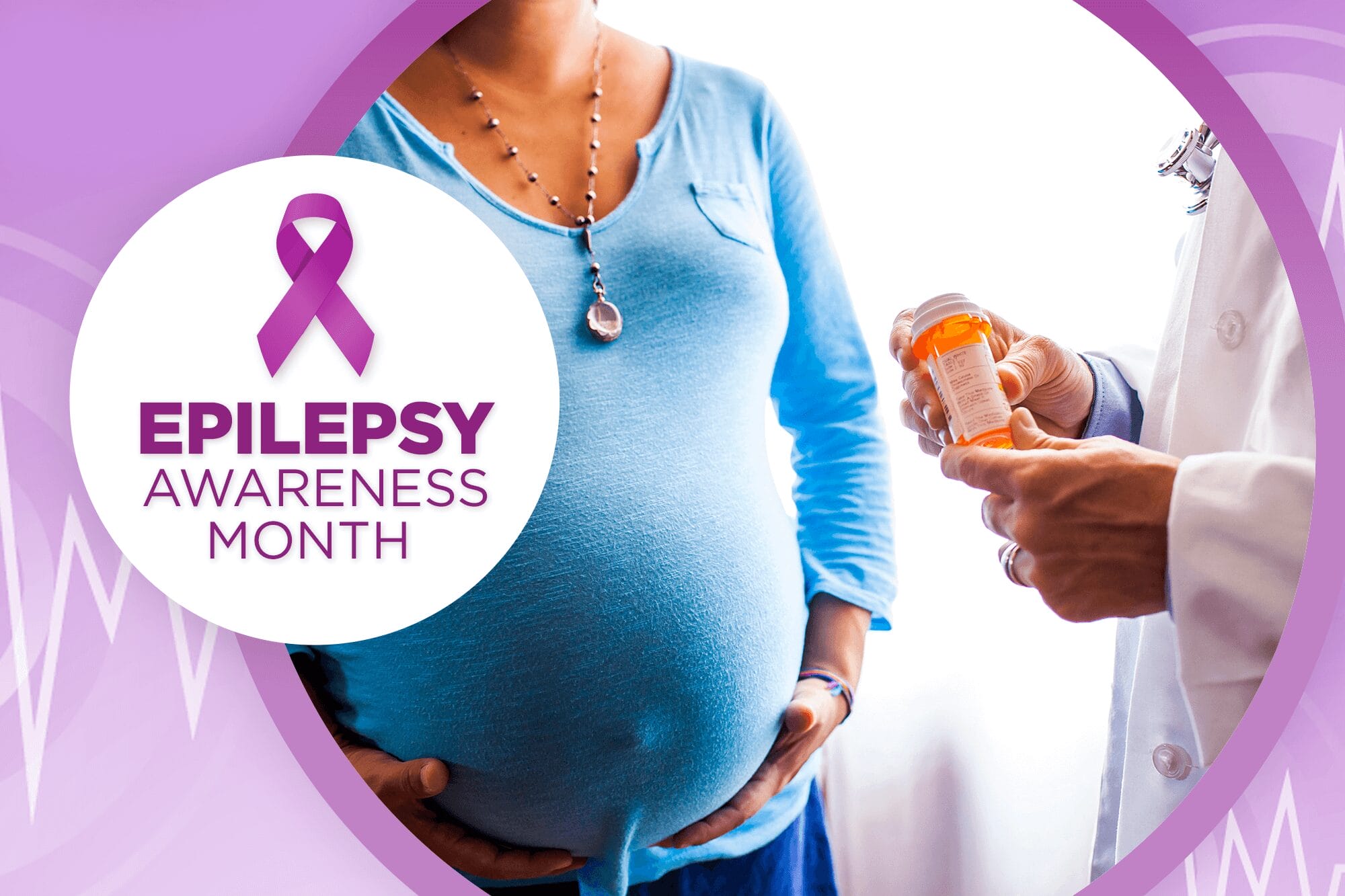
The potential risks associated with in utero exposure to antiseizure medications (ASMs) have long been a focus of concern in the management of epilepsy during pregnancy. While the increased risk for congenital malformations, particularly with valproate use, is well established, recent studies have also examined how prenatal ASM exposure may influence later neurodevelopmental outcomes.
According to Sarita Maturu, DO, Associate Professor of Neurology and Medical Director of Neurology Specialty Clinics at The Ohio State University Wexner Medical Center, the neuropsychological risks linked to fetal ASM exposure vary among individual medications. Lamotrigine and levetiracetam appear to have the most favorable profiles, while carbamazepine, topiramate, and phenytoin carry intermediate risk. Valproate and phenobarbital, by contrast, are associated with the greatest risk for fetal neuropsychological impairment.2,3
As new studies continue to refine understanding of these developmental risks, clinicians emphasize the importance of careful medication selection, preconception counseling, and ongoing monitoring during pregnancy to balance maternal seizure control with fetal safety.
Continued education for both patients and providers is necessary for the provision of optimal, up-to-date care.
Recent Findings on Neurodevelopmental Risks Associated With ASMs
A 2024 study of over 3 million children in the United Kingdom and Sweden found that prenatal valproate exposure increased the risk for autism spectrum disorder (ASD; hazard ratio [HR], 1.78; 95% CI, 1.48-2.14), intellectual disability (HR, 2.56; 95% CI, 1.97-3.32) and attention deficit hyperactivity disorder (ADHD; HR, 1.20; 95% CI, 1.02-1.40) compared with children who were not exposed to ASMs.4 Topiramate (HR, 2.48; 95% CI, 1.23-4.98) and carbamazepine (HR, 1.30; 95% CI, 1.01-1.69) were also associated with higher risk for intellectual disability, while carbamazepine exposure increased ASD risk (HR, 1.25; 95% CI, 1.05-1.48). Lamotrigine showed little evidence of increased neurodevelopmental risk.4
In a 2024 meta-analysis of 7 cohort studies, researchers reported that fetal ASM exposure was associated with an elevated risk for ASD (odds ratio [OR], 2.1; 95% CI, 1.63-2.71; P <.001) and ADHD (OR, 1.43; 95% CI, 1.07-1.92; P =.015). However, subgroup analyses of data based on individual ASM use revealed that only preconception valproate exposure was significantly associated with a higher risk for ASD or ADHD.5
In a Nordic cohort of nearly 4.5 million children, prenatal topiramate and valproate exposure was associated with a heightened risk for ASD and intellectual disability at age 8 years. Adjusted HRs (aHRs) for these outcomes were 2.8 (95% CI, 1.4-5.7) and 3.5 (95% CI, 1.4-8.6), respectively, with topiramate exposure, and 2.4 (95% CI, 1.7-3.3) and 2.5 (95% CI, 1.7-3.7) with valproate exposure. Combination therapies with levetiracetam/carbamazepine or lamotrigine/topiramate also increased neurodevelopmental risk, while levetiracetam/lamotrigine combination and monotherapy with most other ASMs showed no consistent association.6
A 2023 study of the same Nordic population found that valproate exposure was associated with an increased risk for psychiatric disorders in childhood and adolescence (aHR, 1.80; 95% CI, 1.60-2.03). Further, the researchers observed an increased risk for ADHD with exposure to topiramate (aHR, 2.38; 95% CI, 1.40-4.06) and levetiracetam (aHR, 1.78; 95% CI, 1.03-3.07). Additionally, levetiracetam exposure was associated with an elevated risk for anxiety (aHR, 2.17; 95% CI, 1.26-3.72). No increase in the risk for psychiatric disorders was found with exposure to lamotrigine, carbamazepine, or oxcarbazepine.2
Finally, in a 2024 study, researchers examined associations of prenatal exposure to ASM with measures of creativity and executive function at 4.5 years of age. Creativity scores did not differ by ASM exposure. However, with regard to executive function, researchers observed that higher fetal exposure to ASMs during the third trimester (most notably levetiracetam) was associated with worse test scores at 4.5 years of age (7.0; 95% CI, 2.9-11.2; P =.001). These results “suggest that even for relatively safe ASMs, dosing needs to be adjusted to concentrations that prevent seizures, but balance risks to the fetus that high concentrations may pose,” the authors concluded.7
Treatment Recommendations
In an interview with Neurology Advisor, Dr Maturu stated that, in general, “Most women with epilepsy have healthy babies and do not experience seizure worsening while continuing ASMs.” She added, “Planned pregnancies will have the best outcomes.”
Laura Kalayjian, MD, Neurologist at Keck Medicine of University of Southern California (USC), Co-Director of USC Epilepsy Center, emphasized the need to talk with patients about whether and when they plan to start a family. If they indicate no such plans for the near future, they should “consider an [intrauterine device] or an etonogestrel implant, which are safe with all ASMs.” She noted that some oral contraception pills are ineffective with ASMs.8
“Since many pregnancies are unplanned, avoiding valproate in women of childbearing age is paramount, as it has the highest birth defect rate and lowers neurocognition,” Dr Kalayjian continued. For women with epilepsy who are planning pregnancy, lamotrigine, levetiracetam, or oxcarbazepine are recommended as first-line treatment options in practice guidelines published in 2024.9
“If a patient with epilepsy reports that they are pregnant, it is important to ask them to stay on their ASMs,” Dr Maturu said. “In general, changing ASMs is not advised once a patient is pregnant – with the exception of valproate – and abrupt outpatient changes in ASMs are not advised, as they can lead to breakthrough seizures and harm to both the patient and the baby.”
For those taking topiramate, which carries a significant risk for cleft lip and cleft palate, a change in ASM can be discussed if the patient has not yet reached the first 8 to 10 weeks of pregnancy, Dr Maturu explained. Past that point, switching from topiramate “will likely not be beneficial as congenital malformations would have already developed.”
According to Dr Kalayjian, “There is limited data on medications such as zonisamide or lacosamide during pregnancy, but if they are effective for controlling seizures in a patient, I would not switch to another ASM since the North American AED Pregnancy Registry has no early alarming results for these medications.”
Antiseizure medication levels should be closely monitored during pregnancy, and doses should be adjusted as needed to avoid breakthrough seizures. “When the patient’s metabolism is high, I often go to 3 times a day dosing just to keep up and keep the patient seizure-free,” Dr Kalayjian shared.
Dr Maturu added that patients with epilepsy should be prescribed folic acid supplementation during pregnancy, which may improve neurodevelopmental outcomes in children exposed to ASMs in utero.9
She also noted the ongoing stigma regarding pregnancy in individuals with epilepsy, underscoring the importance of clinician awareness and support in these cases. “There needs to be an open discussion between the provider and patient, assuring them of the general information we know about this topic,” Dr Maturu said. “Continued education for both patients and providers is necessary for the provision of optimal, up-to-date care.”
*To support the ongoing collection of data regarding the use of ASMs in pregnancy, Dr Maturu asked that physicians encourage their patients with epilepsy who are pregnant to enroll in the North American AED Pregnancy Registry by calling 1-888-233-2334.
Editor’s Note: This article was published in light of National Epilepsy Awareness Month, a yearly initiative aimed at promoting understanding, research, and support for people living with epilepsy.
References:
- Battino D, Tomson T, Bonizzoni E, et al; for the EURAP Collaborators. Risk of major congenital malformations and exposure to antiseizure medication monotherapy. JAMA Neurol. Published online March 18, 2024. doi:10.1001/jamaneurol.2024.0258
- Dreier JW, Bjørk MH, Alvestad S, et al. Prenatal exposure to antiseizure medication and incidence of childhood- and adolescence-onset psychiatric disorders. JAMA Neurol. Published online April 17, 2023. doi:10.1001/jamaneurol.2023.0674
- Meador KJ. Effects of maternal use of antiseizure medications on child development. Neurol Clin. Published online September 28, 2022. doi:10.1016/j.ncl.2022.03.006
- Madley-Dowd P, Ahlqvist VH, Forbes H, et al. Antiseizure medication use during pregnancy and children’s neurodevelopmental outcomes. Nat Commun. Published online November 15, 2024. doi:10.1038/s41467-024-53813-1
- Xu S-C, Zhong Y, Jiang H-Y, Tang J. Exposure to anti-seizure medication during pregnancy and the risk of autism and ADHD in offspring: a systematic review and meta-analysis. Front Neurol. Published online July 21, 2024. doi:10.3389/fneur.2024.1440145
- Bjørk M-H, Zoega H, Leinonen MK, et al. Association of prenatal exposure to antiseizure medication with risk of autism and intellectual disability. JAMA Neurol. Published online May 31, 2022. doi:10.1001/jamaneurol.2022.1269
- Meador KJ, Cohen MJ, Loring DW, et al; for the Maternal Outcomes and Neurodevelopmental Effects of Antiepileptic Drugs Investigator Group. Association of prenatal exposure to antiseizure medications with creative and executive function at age 4.5 years. Neurology. Published May 29, 2024. doi:10.1212/WNL.0000000000209448
- King A, Gerard EE. Contraception, fecundity, and pregnancy in women with epilepsy: an update on recent literature. Curr Opin Neurol. Published online April 1, 2022. doi:10.1097/WCO.0000000000001039
- Pack AM, Oskoui M, Williams Roberson S, et al. Teratogenesis, perinatal, and neurodevelopmental outcomes after in utero exposure to antiseizure medication: Practice guideline from the AAN, AES, and SMFM. Neurology. Published online May 15, 2024. doi:10.1212/WNL.0000000000209279


