
 Share on Facebook
 Share on Twitter
 Share on LinkedIn
 Share by Email
 Print
Print
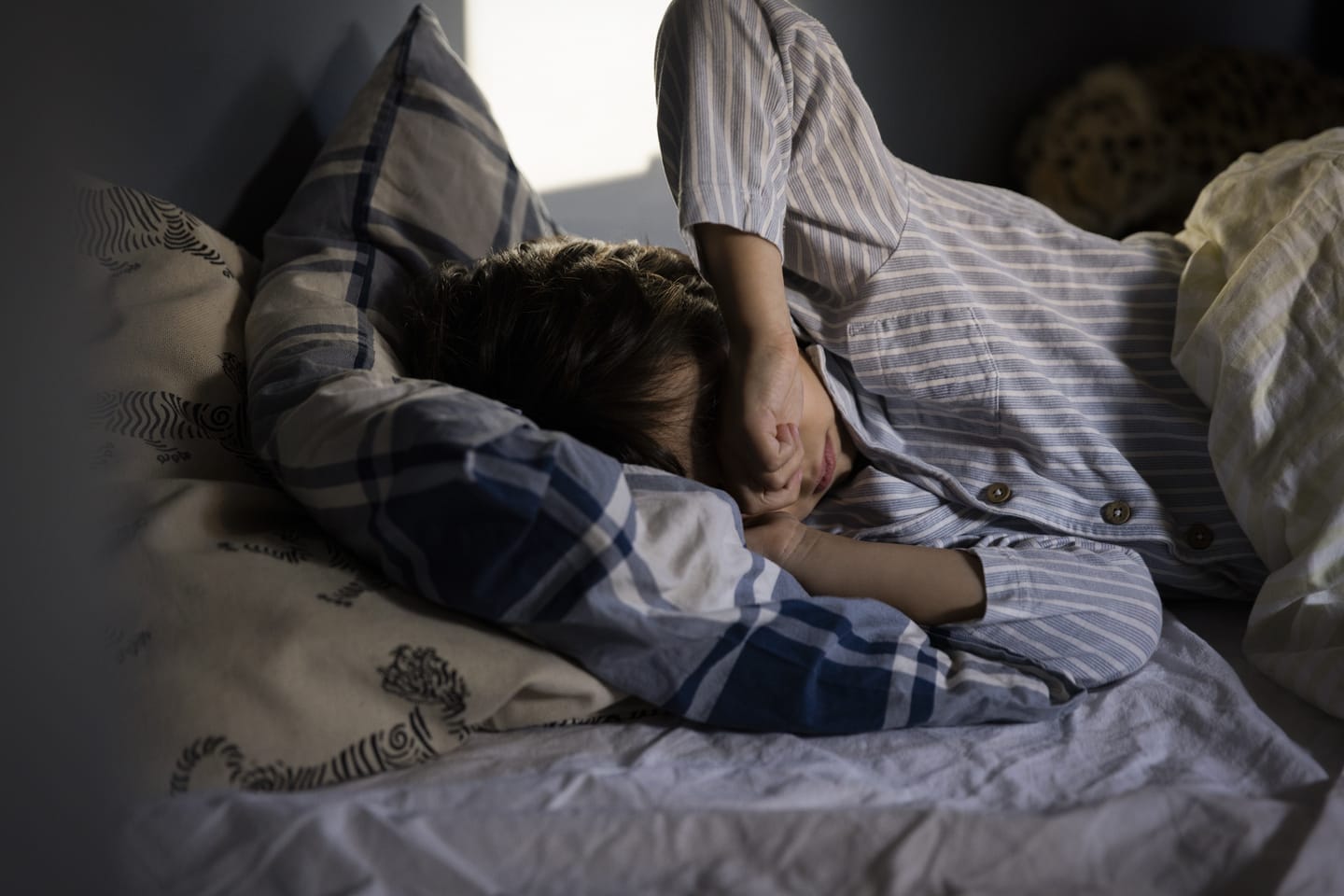
Despite affecting up to 25% of children at some point in their development, pediatric insomnia is often overlooked or dismissed as temporary.1 However, when left untreated it can adversely affect cognitive development, exacerbate mood disorders, and manifest into lifelong sleep challenges.2
Managing pediatric insomnia presents unique challenges for clinicians. Unlike adults, children may be unable to articulate their sleep difficulties, leaving clinicians dependent on parental observations and isolated clinical evaluations. Further, the root causes of insomnia in children often involve a complex interplay of behavioral, environmental, and physiological factors. This complexity can make it difficult to diagnose and treat pediatric insomnia, especially in busy clinical settings where time is limited.
Despite these challenges, early identification and intervention are critical. Emerging evidence underscores the effectiveness of behavioral and cognitive strategies tailored to children and their families. Here, we explore the latest evidence-based approaches to managing pediatric insomnia, offering practical guidance for clinicians to address this often-challenging condition. From assessment tools to actionable treatment strategies, here are a few of the available resources needed to improve sleep health for pediatric patients.
Challenges in Diagnosing Pediatric Insomnia
Parents and caregivers typically turn to their pediatrician or family medicine physician for help with their children’s sleep issues.3 However, these physicians may lack the specialized training or resources needed to identify and manage behavioral sleep disorders, says Umakanth Katwa, MD, Director of the Sleep Center at Boston Children’s Hospital – the first pediatric sleep center of its kind in the United States.
Pediatric insomnia is uniquely complex. Sleep patterns and requirements evolve significantly as children grow, adding layers of diagnostic and treatment challenges.4 Insomnia rarely exists in isolation; it ripples through families, impacting household dynamics and parental well-being.5
“A lot of the adults I see with insomnia developed it as children,” says Rafael Pelayo, MD, clinical professor at Stanford University’s Sleep Medicine division. The data supports this – as studies have shown that nearly half of children with insomnia symptoms continue to struggle with sleep into adulthood.6
Pediatric insomnia is defined as persistent trouble falling asleep, staying asleep, or waking too early despite adequate opportunity to sleep – coupled with significant daytime impairment.7 For a diagnosis, these issues must occur at least 3 times per week and persist for at least 1 month for acute insomnia or 3 months for chronic insomnia.
“This means that even when the child has the chance to sleep, they wake up tired, exhausted, or unrested,” says Dr Katwa. Yet, accurately pinpointing insomnia is not always straightforward. “Sometimes, it’s not true insomnia but a mismatch between the child’s natural sleep pattern and the parents’ expectations,” he says.
Parents and caregivers can often confuse normal developmental sleep changes with clinically disordered sleep patterns. “In children, insomnia is primarily identified through parental reports,” Dr Katwa explains. “But parents often describe their child’s worst nights rather than their average sleep patterns.”
For teenagers, he notes, parental attempts to correct maladaptive sleep hygiene, such as enforcing earlier bedtimes to address morning exhaustion, can actually exacerbate the issue. “[T]eens are biologically wired to fall asleep later,” he notes. “Forcing them to go to bed before they’re ready can lead to frustration and sleep-onset insomnia.”
Family dynamics can further complicate sleep patterns, particularly in cases of divorced households, unstable housing, or environmental factors like pets and allergens, says Dr Pelayo. “The child may have 2 different households,” he notes. “Until you ask, you might not realize they’re exposed to a dog in one home and a cat in the other, with allergies impacting their sleep. You need to really understand how the entire family sleeps.”
Even clinicians sometimes miss the mark, as many attribute fatigue solely to insufficient sleep without considering poor sleep quality.
“Most pediatricians learn about sleep through self-directed study or personal interest, but few have formal training. This creates a gap in care, where sleep concerns might be downplayed, and opportunities for early intervention are missed,” says Dr Katwa. He emphasizes that while not every child needs a specialist, pediatricians that can recognize when referrals may be most beneficial can help ensure pediatric sleep issues are taken seriously so children and adolescents receive the care they need.
The Impact of Poor Sleep on Children
Pediatric insomnia reaches far beyond sleepless nights, impacting emotional, cognitive, and physical health. When left untreated, these disordered sleep patterns often snowball into adulthood.
“Disrupted sleep impairs memory consolidation, emotional resilience, and even physical health,” explains Dr Katwa. Poor sleep quality is associated with the following adverse effects:8
- Cognitive Challenges: Poor sleep disrupts brain functions such as decision-making, problem-solving, and attention
- Behavioral Struggles: Children with inadequate sleep may show hyperactivity, defiance, or emotional outbursts that are often mistaken for attention-deficit/hyperactivity disorder (ADHD)
- Physical Health Risks: Long-term sleep deprivation weakens immunity, increases obesity risk, and raises the chance of hypertension
During the teenage years, the stakes are even higher. Sleep deprivation has been linked to poor academic performance, an increased risk for mental health disorders like anxiety and depression, and dangerous behaviors, including drowsy driving. According to the Centers for Disease Control and Prevention (CDC), over 70% of high school students report getting fewer than the recommended 8 hours of sleep per night.9 Drowsy driving alone contributes to thousands of car accidents annually among adolescents, making insufficient sleep a serious public safety concern, according to the American Automobile Association (AAA) Foundation for Traffic Safety.10
Moreover, insomnia in childhood often persists into adulthood. Researchers from Penn State College of Medicine conducted a 15-year longitudinal study and found that 43% of children with insomnia symptoms continue to experience them as adults.11 While 27% of children saw symptoms resolve by adolescence, approximately 19% had a waxing-and-waning pattern into adulthood. Even among children without early sleep issues, 15% developed persistent symptoms during adolescence.
Age-Specific Manifestations of Pediatric Insomnia
Pediatric insomnia varies across developmental stages, reflecting children’s evolving sleep needs and behaviors. Recognizing these differences is critical for accurate diagnosis and effective treatment.
For toddlers and preschoolers, sleep issues often appear as bedtime resistance or frequent awakenings, often tied to separation anxiety, inconsistent routines, or reliance on parental presence and soothing, says Dr Katwa. “It’s not always true insomnia,” he says. “Often, it’s a mismatch between the child’s natural sleep pattern and the parents’ expectations, better addressed with sleep education than medical intervention.”
In school-age children, sleep disturbances like nightmares or night terrors can disrupt rest, but diagnosing their impact is tricky.12 “Without structured academic demands, it’s harder to spot issues like poor focus or mood changes,” Dr Katwa explains. Parental stress from their child’s sleep disruptions can further cloud the clinical picture, he notes.
Adolescents face challenges largely driven by biological shifts in circadian rhythms.13 “Teenagers are biologically wired to fall asleep later,” says Dr Katwa. “But early school schedules force them into chronic sleep deprivation that’s often mistaken for insomnia.”
“For younger kids, bedtime involves parents tucking them in and ensuring lights-out,” says Dr Pelayo. “With teens, parents often send them to their rooms and assume they’re winding down, but in reality, many are awake in bed, scrolling on their phones or doing homework.” This habit of staying awake in bed can create poor sleep associations, making it harder for them to fall asleep. “So, you [have] to tease out those patterns,” he says.
Challenges in Differentiating Pediatric Insomnia from Other Sleep Disorders
Sleep disturbances frequently overlap with medical or developmental conditions, complicating diagnosis. For example, ADHD symptoms like hyperactivity and inattention can mirror the effects of sleep deprivation.14
Comorbid conditions are especially common in adolescents, as over half of adolescents with insomnia also experience anxiety, ADHD, or depression.15 “Insomnia is both a symptom and a risk factor for these psychiatric disorders,” notes Dr Katwa.
Dr Pelayo adds that failing to recognize underlying sleep issues can exacerbate both the sleep problem and coexisting conditions. “Mild sleep apnea can mimic ADHD, and prescribing stimulants without addressing the sleep issue risks worsening the child’s overall condition,” he explains.
Similarly, children with autism spectrum disorder (ASD) often experience insomnia before a diagnosis of ASD.16 Addressing sleep issues early can significantly improve the quality of life for both the child and their family, Dr Pelayo adds.
Nighttime fears and anxieties can also signal deeper issues.17 “If a child panics at bedtime due to nightmares or refuses to sleep alone, it’s crucial to assess underlying anxiety or trauma,” he says.
Other red flags, such as excessive daytime sleepiness, language delays, low muscle tone, or failure to thrive, may point to neurological conditions or other serious disorders requiring further evaluation, Dr Pelayo adds.
Tools for Diagnosis
Accurately diagnosing pediatric insomnia requires a combination of thorough clinical evaluation and targeted diagnostic tools. The BEARS Sleep Screening Tool is a widely used resource to structure initial assessments.18 This simple, 5-item screening tool evaluates:
- Bedtime issues, such as resistance to going to bed.
- Excessive daytime sleepiness, often a sign of poor sleep quality.
- Awakenings during the night, which can disrupt sleep patterns.
- Regularity and duration of sleep, ensuring sleep schedules are age appropriate.
- Snoring, a potential indicator of sleep apnea.
While tools like BEARS can help identify underlying issues, further testing is often necessary for complex cases. Polysomnography is critical in diagnosing conditions like obstructive sleep apnea or periodic limb movement disorder, says Dr Pelayo.
“Families don’t usually think of a sleep study right away,” he says. “But it’s often the only way to diagnose conditions like restless legs syndrome or sleep apnea accurately. If a child is tired no matter how much sleep they get, even during vacations, it’s time to measure the quality of their sleep.”
Effective Strategies for Managing Pediatric Insomnia
Treating pediatric insomnia requires a collaborative approach among clinicians, parents, and children, with education and behavioral interventions at the forefront. Pharmacological options are reserved for specific cases and used sparingly.
“Parents are often overwhelmed by conflicting information about sleep,” says Dr Katwa. “Our job is to provide clear, actionable advice they can understand.”
Educating parents about the broader impact of poor sleep — on cognition, emotional regulation, and family dynamics — is a critical first step.
Dr Katwa begins treatment by understanding the family’s perceptions and routines. “I always ask, ‘What do you think is normal sleep for your child?’,” he says. This helps identify misconceptions and sets the stage for resetting unhealthy habits through cognitive behavioral therapy for insomnia (CBT-I), the gold standard for managing pediatric sleep issues, he says.
CBT-I focuses on addressing unhelpful sleep associations and creating consistent routines. Techniques like stimulus control — using the bed only for sleep — and limiting time in bed when the child isn’t ready to sleep help foster efficient, restful sleep. “No homework, no screen time — just sleep,” emphasizes Dr Katwa. Consistency is critical. “Inconsistent rules between households or caregivers can derail progress,” he says.
Similarly, he cautions against using sleep as a punishment or reward. “Saying, ‘If you behave, you can stay up late,’ sends the wrong message and undermines healthy sleep patterns,” Dr Katwa stresses.
For older children, CBT-I may include relaxation exercises, mindfulness, and gradual changes to bedtime routines to reset internal clocks. Dr Katwa often encourages families reassess packed schedules. “Sometimes, you need to prioritize rest over extracurriculars,” he advises.
Celebrating small successes helps children feel motivated and invested in their new routines. But resistance is a common hurdle. “Some families come back after 3 days saying, ‘This isn’t working’,” Dr Katwa notes. “But these changes take time. The key is to reassure them and emphasize persistence.”
Pharmacological Support: A Limited Role in Pediatric Insomnia
Experts consider CBT-I the gold standard for treatment or insomnia, but it is frequently underutilized due to a variety of factors, including cost and time.19 Instead, treatment often defaults to medications — despite the fact that the Food and Drug Administration (FDA) has not approved any medications specifically for the treatment of pediatric insomnia.11
Melatonin is the most commonly used over-the-counter sleep aid for children.20 “Melatonin can help reset a child’s internal clock, especially in cases of circadian rhythm disorders,” says Dr Katwa. “But it’s not a long-term solution. It should support behavioral strategies, not replace them.”
Although pharmacological options and dietary supplements may provide short-term relief in specific situations, particularly when other conditions complicate sleep, experts stress caution in their use.
Dr Pelayo notes that many parents have tried melatonin before seeking medical advice. “Most of the families I see have already experimented with melatonin by the time they get to me,” he explains. “It’s widely available, and parents often view it as a quick fix.”
However, concerns about the quality of over-the-counter melatonin complicate its use. He notes that studies in the US and Canada have found significant discrepancies between labeled dosages and actual contents, with some samples containing degraded byproducts like serotonin.21
“Parents often buy melatonin with the longest shelf life in the largest bottle available, but the longer it sits, the more it degrades,” explains Dr Pelayo. “This inconsistency makes it hard to recommend with confidence.”
Dr Pelayo highlights the potential of prescription melatonin agonists like ramelteon, which target sleep-onset insomnia. However, he cautions that these agonists are not explicitly approved for pediatric use.22 “Unlike over-the-counter melatonin, ramelteon is tightly regulated, ensuring consistency and efficacy,” he explains. “It’s a non-addictive, non-scheduled medication and a more potent alternative for patients struggling with sleep initiation.”
Other medications, such as sedating antihistamines or antidepressants, are occasionally used off-label but only sparingly, given their potential side effects and the lack of robust safety data in pediatric populations.
“Medications should always be a last resort,” emphasizes Dr Katwa. The focus must remain on building sustainable sleep habits.”
Practical Advice for Clinicians Treating Pediatric Insomnia
Successfully managing pediatric insomnia calls for a blend of clinical expertise, empathy, and genuine collaboration with families, says Dr Katwa. He emphasizes the importance of tailoring strategies to each child’s developmental stage, understanding the unique dynamics of their family, and staying alert for potential red flags that might signal underlying conditions.
“Parents often come in overwhelmed, armed with fragments of information they’ve found online,” says Dr Katwa. “Our role is to provide simple, relatable education about healthy sleep patterns and realistic expectations, tailored to their child’s age and development.”
Clinicians should remain alert for signs that may indicate sleep disorders or comorbid conditions requiring additional evaluation, including obstructive sleep apnea, restless legs syndrome, psychiatric conditions, and developmental disorders.
“Behavioral changes can take weeks to become effective, and it’s common for things to get worse before they get better,” says Dr Katwa. “Communicating this upfront helps families stay committed.”
This article originally appeared on Sleep Wake Advisor
References:
- Vriend J, Corkum P. Clinical management of behavioral insomnia of childhood.Psychol Res Behav Manag. 2011;4:69-79. doi:10.2147/PRBM.S14057
- Gregory AM, Sadeh A. Annual research review: sleep problems in childhood psychiatric disorders–a review of the latest science. J Child Psychol Psychiatry. 2016;57(3):296-317. doi:10.1111/jcpp.12469
- Brito CS, Umanets O, Silva D, Santos D, Santos J. The role of family physicians in children’s sleep. Cureus. 2024;16(7):e65131. doi:10.7759/cureus.65131
- Mindell JA, Kuhn B, Lewin DS, Meltzer LJ, Sadeh A; American Academy of Sleep Medicine. Behavioral treatment of bedtime problems and night wakings in infants and young children. Sleep. 2006;29(10):1263-1276. Correction: Sleep. 2006;29(11):1380.
- Ailshire JA, Burgard SA. Family relationships and troubled sleep among U.S. adults: examining the influences of contact frequency and relationship quality. J Health Soc Behav. 2012;53(2):248-62. doi: 10.1177/0022146512446642
- Fernandez-Mendoza J, Lenker KP, Calhoun SL, et al. Trajectories of insomnia symptoms from childhood through young adulthood. Pediatrics. 2022;149(3):e2021053616. doi:10.1542/peds.2021-053616
- Roth T. Insomnia: definition, prevalence, etiology, and consequences. J Clin Sleep Med. 2007;3(5 Suppl):S7-S10. PMCID:PMC1978319
- Yang FN, Xie W, Wang Z. Effects of sleep duration on neurocognitive development in early adolescents in the USA: a propensity score matched, longitudinal, observational study. Lancet Child Adolesc Health. 2022;6(10):705-712. doi:10.1016/S2352-4642(22)00188-2
- FastStats: Sleep in High School Students. Centers for Disease Control and Prevention. May 15, 2024. Accessed January 26, 2025. https://www.cdc.gov/sleep/data-research/facts-stats/high-school-students-sleep-facts-and-stats.html
- Owens JM, Dingus TA, Guo F, et al. (2018). Prevalence of Drowsy Driving Crashes: Estimates from a Large-Scale Naturalistic Driving Study. AAA Foundation for Traffic Safety. February 2018. Accessed January 26, 2025. https://aaafoundation.org/prevalence-drowsy-driving-crashes-estimates-large-scale-naturalistic-driving-study/
- Felt BT, Chervin RD. Medications for sleep disturbances in children. Neurol Clin Pract. 2014;4(1):82-87. doi:10.1212/01.CPJ.0000442521.30233.ef
- Paul F, Schredl M, Alpers GW. Nightmares affect the experience of sleep quality but not sleep architecture: an ambulatory polysomnographic study.Borderline Personal Disord Emot Dysregul. 2015;2:3. doi:10.1186/s40479-014-0023-4
- Marcus C, Carroll JL, Donnelly D, Gerald M. Loughlin GM, eds.Sleep in Children: Developmental Changes in Sleep Patterns. CRC Press; 2008.
- Shen C, Luo Q, Chamberlain SR, et al. What is the link between attention-deficit/hyperactivity disorder and sleep disturbance? A multimodal examination of longitudinal relationships and brain structure using large-scale population-based cohorts. Biol Psychiatry. 2020;88(6):459-469. doi:10.1016/j.biopsych.2020.03.010
- Khurshid KA. Comorbid insomnia and psychiatric disorders: an update.Innov Clin Neurosci. 2018;15(3-4):28-32. PMCID:PMC5906087.
- Souders MC, Zavodny S, Eriksen W, et al. Sleep in children with autism spectrum disorder. Curr Psychiatry Rep. 2017;19(6):34. doi:10.1007/s11920-017-0782-x
- Weiner CL, Meredith Elkins R, Pincus D, Comer J. Anxiety sensitivity and sleep-related problems in anxious youth. J Anxiety Disord. 2015;32:66-72. doi:10.1016/j.janxdis.2015.03.009
- Owens JA, Dalzell V. Use of the ‘BEARS’ sleep screening tool in a pediatric residents’ continuity clinic: a pilot study.Sleep Med. 2005;6(1):63-69. doi:10.1016/j.sleep.2004.07.015
- Dewald-Kaufmann J, de Bruin E, Michael G. Cognitive behavioral therapy for insomnia (CBT-i) in school-aged children and adolescents. Sleep Med Clin. 2019;14(2):155-165. doi:10.1016/j.jsmc.2019.02.002
- Esposito S, Laino D, D’Alonzo R, Mencarelli A, Di Genova L, Fattorusso A, Argentiero A, Mencaroni E. Pediatric sleep disturbances and treatment with melatonin. J Transl Med. 2019;17(1):77. doi:10.1186/s12967-019-1835-1
- Grigg-Damberger MM, Ianakieva D. Poor quality control of over-the-counter melatonin: what they say is often not what you get.J Clin Sleep Med. 2017;13(2):163-165. doi:10.5664/jcsm.6434
- Pandi-Perumal SR, Spence DW, Verster JC, et al. Pharmacotherapy of insomnia with ramelteon: safety, efficacy and clinical applications.J Cent Nerv Syst Dis. 2011;3:51-65. doi:10.4137/JCNSD.S1611


