
 Share on Facebook
 Share on Twitter
 Share on LinkedIn
 Share by Email
 Print
Print


Women have made up more than half of incoming medical students in the United States since 2017.1 However, the field of neurology, compared with other specialties, continues to attract, retain, and promote fewer women. Among full neurology professors, just 26% are women.1
Since 2007, child neurology has been a woman-dominated subspecialty. Despite its higher representation of women entering the field as trainees, compared with men, they’re less likely to serve in leadership roles or be recognized in awards within the Child Neurology Society (CNS).1
Studies show that neurologists face high burnout rates across the board. Long work hours and environmental stressors on the job weigh heavily, especially on women neurologists. Reported burnout is further exacerbated for women neurologists with children. Less than a third of mothers with 3 or more kids say they would choose to become a neurologist again.2
For Women’s History in Medicine Month, we spoke with 2 women neurologists on the strides they have made in neurology and their advice for aspiring women neurologists.
They answered these 3 questions:
- Can you briefly describe your personal experience in the field of neurology?
- What challenges have you faced (or lessons have you learned) along the way?
- Do you have any advice for future women neurologists?

Mary A. O’Neal, MD
Dr O’Neal is a board-certified neurologist who specializes in neurologic disorders, women’s health, and stroke. She is the chief of general neurology at Brigham and Women’s Hospital in Boston, Massachusetts.
1) Before medical school, I fell in love with neurology after a research fellowship studying the cerebellum. I loved the whole idea of localization. I knew I had made the right choice when neuroanatomy was my favorite course in medical school.
I did my neurology residency and stroke fellowship at Boston University. Afterward, I went into private practice but missed teaching and the academic environment. In 2010, I was invited by Martin Samuels, MD, to join the neurology department at Brigham and Women’s Hospital in Boston. For many years, I was the director of the ambulatory clinic. Under Dr Samuels’ leadership, I also became the director of the Women’s Neurology program and fellowship.
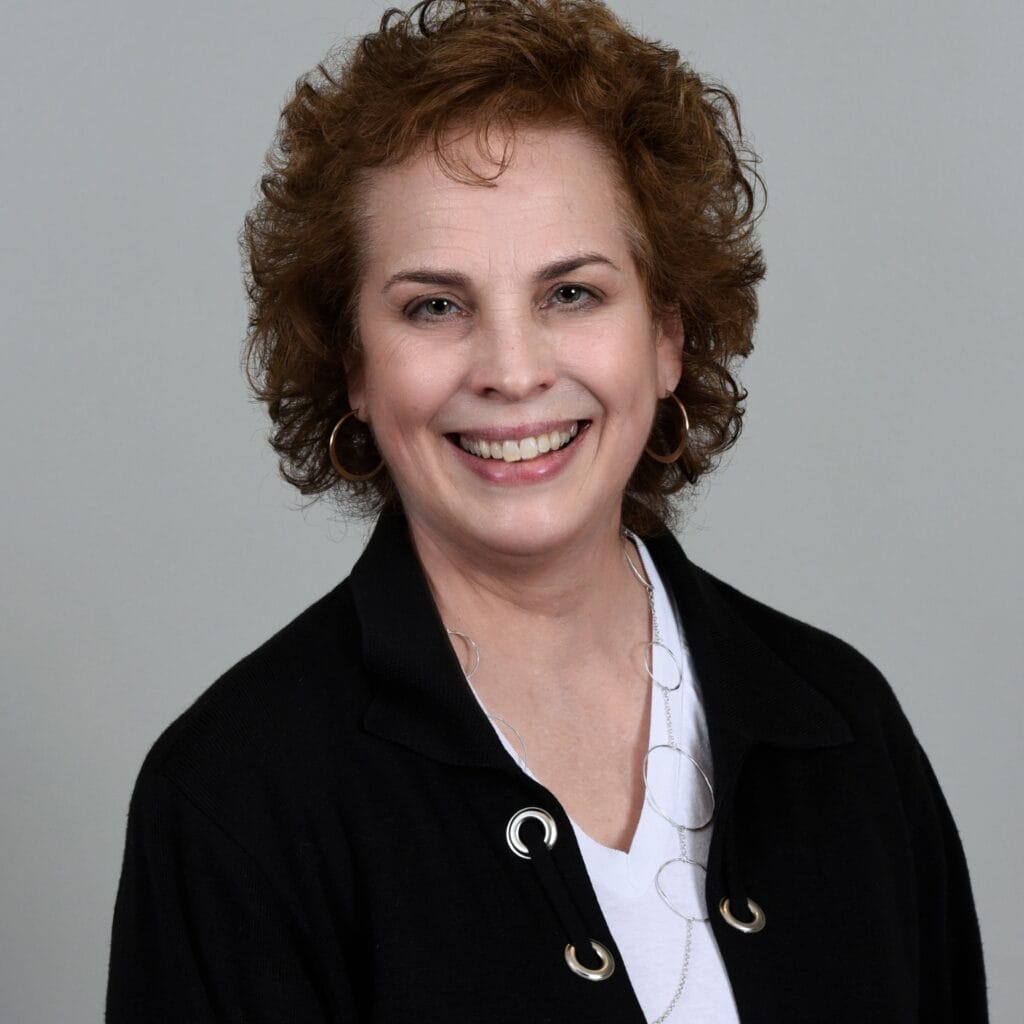
Currently, I am the chief of general neurology at Brigham and Women’s Hospital. In these roles I have been privileged to interact and learn from fabulous colleagues as well as our fantastic neurology residents. I am blessed to have been mentored and supported by many of the department’s leaders.
2) My biggest challenge in returning to academia as a general neurologist was promotion. At Harvard Medical School, promotions are based primarily on publications, particularly research publications. This is a considerable issue for a full-time clinical general neurologist. I learned that having a niche — in my case, women’s neurology — is very helpful.
3) My advice would be to plan your career path early, work with a mentor, and learn to say the N-word: “No.” My inclination has always been to say “Yes” to most asks especially those from my superiors. However, you need to think hard about the ramifications. Time is one of our most precious commodities. Thus, saying “Yes” to one project means that you are going to have to say no or shortchange something else in your life. So, BE STRATEGIC!
Alexandra Eid, MD
Dr Eid is a board-certified neurologist and specializes in epilepsy and clinical neurophysiology. She is an assistant professor of neurology at the George Washington University in Washington, District of Columbia. She is fluent in English, French and Arabic.
1) My passion for neuroscience began in my teenage years when I eagerly devoured magazine articles about the brain, captivated by its complexity. I found myself drawn not only to the scientific understanding of neurologic processes but also to the clinical aspects of the field. As a neurologist, I knew I could directly impact patients’ lives by supporting them through their illnesses. This made neurology the natural choice when selecting a medical specialty.
Throughout my training, I have been fortunate to have mentors who encouraged me to seize opportunities in research, medical education, and to take on leadership roles. These mentors not only pushed me to expand my medical knowledge but also instilled in me the confidence to trust my clinical intuition.
2) The path of a woman, especially an international medical graduate aspiring to specialize in neurology, is often laden with challenges. You frequently hear that medicine is too long of a journey for women who want to get married and have children and that neurology is often dismissed as “such a depressing field.” By watching role models in this specialty, I realized that it is possible to excel in medicine, build a family, and thrive in both areas — these goals are not mutually exclusive. I also discovered that being a compassionate woman in neurology can be a true asset.
[…] I came to appreciate the immense rewards of neurology: the ability to profoundly impact a patient’s life by standing by their side and offering support even when a cure may not be possible. […] I saw firsthand how new research is transforming the field, abolishing the outdated notion that “nothing can be done for patients with neurologic disorders.”
Reflecting back, the biggest challenge I have faced — aside from leaving my home country for better training opportunities in the US — has been the pervasive feeling of imposter phenomenon that many physicians, especially women, experience. The constant, humbling sense of being a fraud, along with the tendency to question one’s abilities, focus on failures, and minimize successes, can be overwhelming. These feelings are particularly prominent when transitioning from training to independent practice.
However, as I began to understand how common these feelings are in the field and grew more confident in my knowledge and skills, the sense of imposterism gradually became less overwhelming.
3) Follow your passion, and don’t let anyone discourage you from pursuing it. While neurology has traditionally been a man-dominated field, as a woman, you bring a unique sensitivity and compassion — qualities that are incredibly valuable in this specialty.
The imposter phenomenon is something most physicians [experience], regardless of gender and experience, but it is rarely discussed. The key is to work through it, and over time, you will find it becomes less overwhelming. It may never completely disappear, and that’s okay — the slight anxiety it brings keeps you sharp.
Finally, seek out strong mentors, and don’t be afraid to reach out to them. They play a crucial role in helping you grow and achieve your goals.
Editor’s note: Some responses have been revised for clarity and brevity.
References:
- Martindale JM, Christy AL, Gombolay GY, et al. Analysis of gender discrepancies in leadership roles and recognition awards in the child neurology society. Neurology. 2024;103(5):e209746. doi:10.1212/WNL.0000000000209746
- Moore LR, Ziegler C, Hessler A, et al. Burnout and career satisfaction in women neurologists in the United States. Journal of Women’s Health. 2019;28(4):515-525. doi:10.1089/jwh.2017.6888


