
 Share on Facebook
 Share on Twitter
 Share on LinkedIn
 Share by Email
 Print
Print

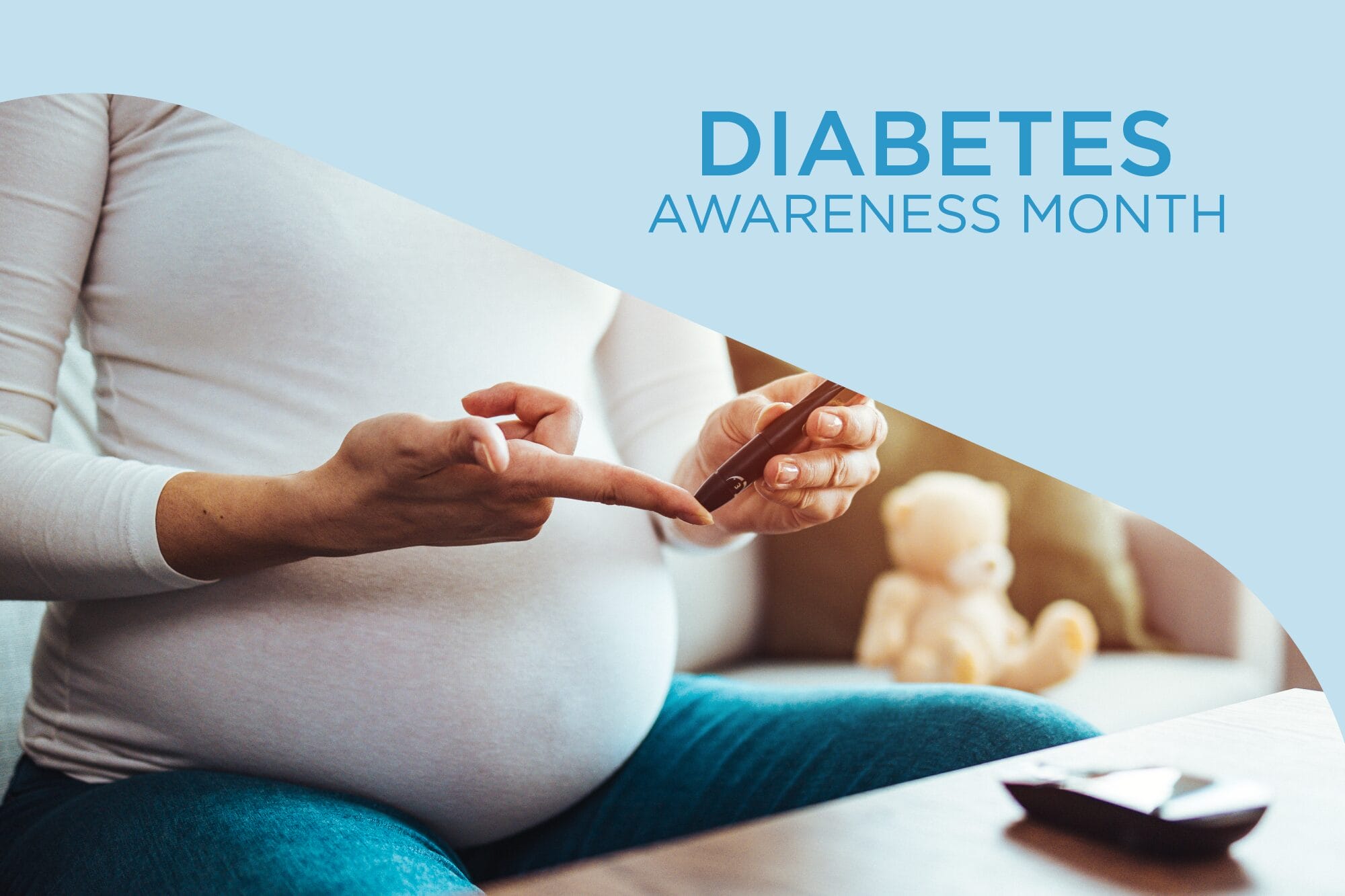
Along with an overall increased risk for cardiovascular disease (CVD) compared to men, CVD risk in women is further increased by factors related to reproductive stages and events.1 Those who experience gestational diabetes (GD) in pregnancy, for example, have a 2-fold increase in risk of developing CVD.2
Recent Data on the Link Between GD and CVD
In a recent meta-analysis of 38 studies with nearly 78 million total participants, subgroup analysis showed an increased risk for numerous types of CVD following GD, including heart failure (risk ratio [RR], 1.38; 1.17–1.62), arrhythmia (RR, 1.48; 1.46–1.50), coronary artery disease (RR, 1.53; 1.32–1.76), peripheral artery disease (RR, 2.00; 1.62–2.48), angina pectoris (RR, 2.03; 1.44–2.85), and ischemic stroke/TIA (RR, 1.52; 1.30–1.78), among others.3
In a meta-analysis published in March 2024 in Hypertension, Liu et al examined 15 cohort studies with more than 4 million participants and found an increased risk for hypertension after GD (pooled RR, 1.78; 95% CI, 1.47-2.17) over 2 to 20 years of follow-up.4
A 2024 longitudinal study of records from 84,746 pregnancies reported an increased risk for new chronic hypertension (adjusted hazard ratio, 1.56; 95% CI, 1.32–1.86) within 24 months postpartum in patients with GD compared to those without GD, and 28% of this effect was mediated through the development of diabetes mellitus.2
An earlier cohort study of 886,295 women demonstrated a 2.4-fold greater CVD risk in those with both gestational hypertensive disorder and GD compared to those with GD alone.5
In a study published in August 2024 in JACC: Advances (n=254), Minhas et al found a greater risk for adverse changes in cardiac structure and function as well as endothelial dysfunction within the decade after delivery in patients with prior GD, and some of these “risks may be mediated through the development of prediabetes or type 2 diabetes,” they wrote.6
Mechanisms of CV Risk and Disparities in GD
“Because women with a history of GD are at high risk for the later development of type 2 diabetes (T2D), in the past it was not clear whether the increase in CV risk was due to GD itself or to the T2D that would develop afterwards,” said Jennifer Green, MD, professor of medicine in the division of endocrinology, metabolism, and nutrition at Duke University School of Medicine in Durham, North Carolina, and faculty member in the Duke Clinical Research Institute. However, recent findings indicate that the CVD risk associated with GD remains even when normoglycemia is achieved after pregnancy.7
“The specific mechanisms are uncertain but thought to be related to metabolic derangements which cause cardiovascular dysfunction over time, similar to the link between T2D and CVD risk,” according to Lauren Hassen, MD, MPH, clinical assistant professor of internal medicine and clinical director of the Cardiology Postpartum Transition Clinic at The Ohio State University Wexner Medical Center in Columbus, Ohio. Patients with GD are also more likely to have co-existing CVD risk factors such as dyslipidemia and hypertension, she said.
Notably, Black women experience a disproportionate burden of GD and other adverse pregnancy outcomes, including preeclampsia and increased maternal mortality rates,8,9 and they “often encounter barriers in accessing prenatal and postpartum care, exacerbating their risk for poor outcomes,” explained Rachel Bond, MD, system director of the Women’s Heart Health Program at Dignity Health in Gilbert, Arizona, and volunteer member of the American Heart Association’s (AHA) Postpartum System of Care Writing Group.10
Read more: Black History Month: Interviewing Dr Rachel Bond of the Association of Black Cardiologists
Preventing CVD after CVD
“It may be very important to identify CV risk factors such as hypertension in women who are not yet pregnant, so that their risk for both GD and later CVD can be addressed at earlier stages through preconceptual counseling or other interventions,” Dr Green said.11
For those who develop GD during pregnancy, “Frequent screening for diabetes, dyslipidemia, and hypertension in the years after delivery is important so the modifiable CVD risk factors can be diagnosed and treated promptly,” Dr Hassen said.12 “Lifestyle changes to help reduce CVD risk, such as regular exercise and a heart-healthy diet, should be discussed and encouraged.”
Some patients may require medications to control blood pressure or cholesterol, Dr Bond added.
She pointed to several challenges in preventing CVD in patients who experience GD, including a lack of awareness among many patients and providers regarding the link between GD and CVD. Accordingly, some patients may not realize they have a heightened risk for CVD following GD and thus may not prioritize follow-up care and healthy lifestyle changes.
“Busy schedules or limited access to health care can also make it hard for these patients to stay on top of preventive care,” Dr Bond said. “Overcoming these barriers requires raising awareness and ensuring that these women have access to ongoing medical support and guidance.”
Comorbid GD and CVD
Patients with both GD and pre-existing CVD present additional challenges, including limited treatment options.
“Treatment must be carefully balanced for these patients, especially during pregnancy and breastfeeding,” Dr Bond advised. “While managing blood sugar is crucial to prevent complications, certain medications like SGLT2 inhibitors and GLP-1 receptor agonists, which have cardiovascular benefits, are contraindicated in pregnancy and during breastfeeding.” The potential risks that these medications pose to the infant limits their use in women with GD, she said.
In addition to essential lifestyles interventions to optimize glucose control and CV health in pregnancy, GD treatment typically involves insulin therapy or metformin, Dr Bond continued. “Blood sugar control through careful monitoring and dietary adjustments is key, alongside managing cardiovascular risk factors, and ongoing care and collaboration between obstetricians, endocrinologists, and cardiologists are required to provide safe and effective treatment tailored to the mother’s changing health needs.”
Key Remaining Needs
Reducing the risk for GD and the associated risk for CVD warrants continued efforts in multiple areas. Efforts to increase provider awareness about the GD-CVD connection represent a key need in improving patient education and treatment regarding this risk.
“Health care clinicians must be trained to recognize and address the early risk factors for GD and CVD, particularly in Black women, who are often underrepresented in clinical trials and may not receive the same level of care,” Dr Bond stated. “Improving clinician awareness and competency in delivering culturally appropriate care is critical for closing these gaps.”
Along with a focus on greater clinician education, the AHA’s Advancing Maternal Health Equity initiative “recommends ensuring that health care systems offer equitable, evidence-based care and that Black women are empowered with the knowledge and resources to manage their health,” Dr Bond said.13
She also noted the pressing need for research exploring the social, genetic, and environmental factors driving racial disparities in GD.
Dr Hassen cited the need for the development of novel targeted therapies to reduce risk during the interval between delivery and a subsequent CVD event. “This crucial window of opportunity is quite short, as the increased risk of CVD has been demonstrated within the first decade after delivery.”11
According to Dr Duke, studies currently underway are expected to shed further light on the link between GD and CV events occurring later in life. “As prevention of these conditions would be preferable, additional investigation of methods to promote lifestyle modification or other interventions to reduce the risk of GD itself will be important.”
This article originally appeared on The Cardiology Advisor
References:
- Centers for Disease Control and Prevention. About women and heart disease. Published May 15, 2024. Accessed October 14, 2024.
- Ackerman-Banks CM, Palmsten K, Lipkind HS, Ahrens KA. Association between gestational diabetes and cardiovascular disease within 24 months postpartum. Am J Obstet Gynecol MFM. Published online April 3, 2024. doi:10.1016/j.ajogmf.2024.101366
- Chen A, Tan B, Du R, et al. Gestational diabetes mellitus and development of intergenerational overall and subtypes of cardiovascular diseases: a systematic review and meta-analysis. Cardiovasc Diabetol. Published online August 28, 2024. doi:10.1186/s12933-024-02416-7
- Liu X, Nianogo RA, Janzen C, et al. Association between gestational diabetes mellitus and hypertension: a systematic review and meta-analysis of cohort studies with a quantitative bias analysis of uncontrolled confounding. Hypertension. Published online March 19, 2024. doi:10.1161/HYPERTENSIONAHA.123.22418
- Echouffo Tcheugui JB, Guan J, Fu L, Retnakaran R, Shah BR. Association of concomitant gestational hypertensive disorders and gestational diabetes with cardiovascular disease. JAMA Netw Open. Published online November 23, 2022. doi:10.1001/jamanetworkopen.2022.43618
- Minhas AS, Countouris M, Ndumele CE, et al. Association of gestational diabetes with subclinical cardiovascular disease. JACC Adv. Published online July 12, 2024. doi:10.1016/j.jacadv.2024.101111
- Gunderson EP, Sun B, Catov JM, et al. Gestational diabetes history and glucose tolerance after pregnancy associated with coronary artery calcium in women during midlife: The CARDIA Study. Circulation. Published online February 1, 2021. doi:10.1161/CIRCULATIONAHA.120.047320
- Akinyemi OA, Weldeslase TA, Odusanya E, et al. Profiles and outcomes of women with gestational diabetes mellitus in the United States. Cureus. Published online July 4, 2023. doi:10.7759/cureus.41360
- Erbetta K, Almeida J, Waldman MR. Racial, ethnic and nativity inequalities in gestational diabetes mellitus: the role of racial discrimination. SSM Popul Health. Published online July 21, 2022. doi:10.1016/j.ssmph.2022.101176
- Njoku A, Evans M, Nimo-Sefah L, Bailey J. Listen to the whispers before they become screams: addressing Black maternal morbidity and mortality in the United States. Healthcare (Basel). Published online February 3, 2023. doi:10.3390/healthcare11030438
- Green JB. Cardiovascular consequences of gestational diabetes. Circulation. Published online March 8, 2021. doi:10.1161/CIRCULATIONAHA.120.052995
- Lewey J, Beckie TM, Brown HL, et al; on behalf of the American Heart Association Cardiovascular Disease and Stroke in Women and Underrepresented Populations Committee of the Council on Clinical Cardiology; Council on Cardiopulmonary, Critical Care, Perioperative and Resuscitation; and Council on Cardiovascular and Stroke Nursing. Opportunities in the postpartum period to reduce cardiovascular disease risk after adverse pregnancy outcomes: a scientific statement from the American Heart Association. Circulation. Published online February 12, 2024. doi:10.1161/CIR.0000000000001212
- Bond RM, Gaither K, Nasser SA, et al; on behalf of the Association of Black Cardiologists. Working agenda for black mothers: a position paper from the Association of Black Cardiologists on solutions to improving black maternal health. Circ Cardiovasc Qual Outcomes. Published online February 10, 2021. doi:10.1161/CIRCOUTCOMES.120.007643


