
The American Heart Association/American Stroke Association developed the most up-to-date treatment guidelines on aneurysmal subarachnoid hemorrhage.

The American Heart Association/American Stroke Association developed the most up-to-date treatment guidelines on aneurysmal subarachnoid hemorrhage.

David Howell, PhD; and Heather Sesma, PhD; provide insight into the specific sequelae of concussion in youth and risk for subsequent mental health issues.

Detecting CTE in the brains of living individuals could improve our understanding of the disease and inform research regarding prevention and treatment.

Although the number of injuries due to roller coaster rides is low, emergency department physicians should keep the possibility in mind in cases in which there are inexplicable symptoms consistent with head injury,and ask patients about any amusement park visits in the previous 3 months.

Patrick M. Kochanek, MD, spoke with Neurology Advisor about the recent updates to the guidelines for management of pediatric severe TBI.
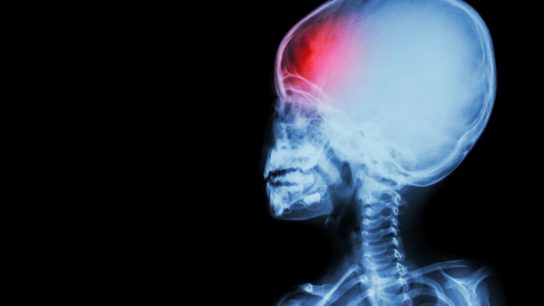
A multidisciplinary group of experts, assembled to reflect a team approach to treating pediatric patients with severe traumatic brain injury, have released updated evidence-based guidelines for 2019 to optimize critical care and improve outcomes of critically ill children with TBI

Chronic pain is common after traumatic brain injury.

Presport evaluations are a great opportunity to check in with players about their mental health, and to guide those who are suffering to the relevant specialist.
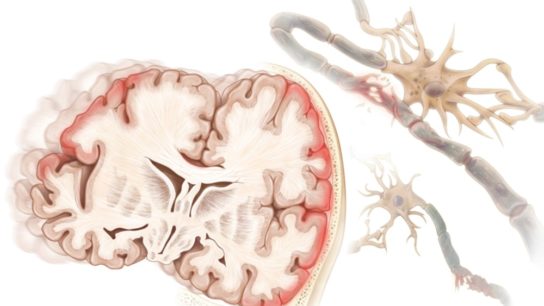
Female athletes face a greater incidence of and longer recovery time from concussion compared with males.
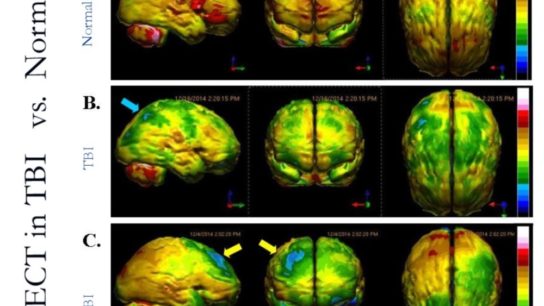
SPECT imaging can be more accurate in the diagnosis of traumatic brain injury and post-traumatic stress disorder than CT or MRI.
The diagnosis and management of concussion is still a grey area for sports medicine specialists.

Advancements in mobile detection technology allow immediate assessment, but can’t replace a medical professional’s diagnosis.
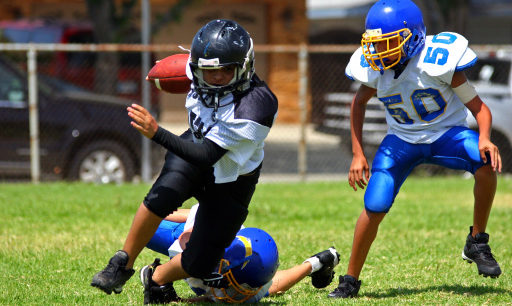
Identification, assessment and evaluation of concussions enables clinicians to determine a safe return date for young athletes.

You’ve read {{metering-count}} of {{metering-total}} articles this month.
We want you to take advantage of everything Neurology Advisor has to offer. To view unlimited content, log in or register for free.
{{login-button}} {{register-button}}
Want to view more content from Neurology Advisor?
Register now at no charge to access unlimited clinical news with personalized daily picks for you, full-length features, case studies, conference coverage, and more.
{{login-button}} {{register-button}}
Please login or register first to view this content.

