
Neurologic conditions associated with HIV remain major contributors to morbidity and mortality, and are increasingly recognized in the aging population of individuals living with HIV.
Features
The microbiota-gut-brain axis represents a bidirectional communication pathway through which the gut microbiota may influence the CNS.
Studies show increased rate of all types of dementia in patients with AF, with new data finding treatment of AF lowers risk for cognitive dysfunction.
Rates of HIV-associated dementia have decreased from approximately 50% in the pre-cART era to 2% currently. However, roughly 50% of patients treated with cART have the milder forms of HIV-associated neurocognitive disorder (HAND).
Delirium is highly prevalent in critical care, especially among elderly patients and individuals with dementia. Although rates vary widely across studies, findings suggest delirium affects more than 15% of hospitalized patients. For additional discussion regarding this topic, Neurology Advisor interviewed Leopoldo Pozuelo, MD, MBA, FACP, FACLP, clinical vice chair of psychiatry and psychology at the Cleveland Clinic in Ohio.
The prevalence of cognitive impairment is higher in patients with COPD compared with healthy individuals.
Clinicians should know that chemotherapy-induced cognitive impairment, chemobrain, chemofog, or whatever you want to call it is a real phenomenon.
The results highlight the importance of evaluating and monitoring cognitive function in individuals with recent critical illness or major infections, especially if they are already at risk for dementia.
Pseudobulbar affect is a significant national health issue in the United States, with approximately 2 million individuals affected.
Because of dementia’s prolonged disease course, advance care decisions and planning are often overlooked until it is too late.
Interventions aimed at motor and cognitive impairments in Huntington disease may result in long-term functional improvement.
Throughout the life course, higher body mass index and obesity are linked to cognitive decline, brain atrophy, reduced white matter and integrity of the blood-brain barrier, and elevated risk for late-onset Alzheimer disease.
The responsibility for discussing cessation of driving in patients with mild cognitive impairment or dementia often rests on the clinician, who may have little preparation for this difficult conversation.
Evaluating the risk factors of neurocognitive decline in HIV.

Putative pathogensis insights have grown tremendously in the past 10 years.

Neuroimaging and if necessary, genetic testing, can help to confirm an FTD diagnosis.
According to a 2010 report based on a survey of caregivers of people with DLB, 78% of cases were initially misdiagnosed.
Theodore Henderson, MD, PhD, suggests that perhaps it’s time to check our bias at the door.

Over 60% of people with Parkinson’s disease will have REM sleep behavior disorder, endangering them and their partners during the night.

Could a proposal by an expert panel undermine years of progress made in the identification and intervention of autism?

Neuroimaging could enable better classification of patients and provide information on affected brain regions.

Thiamine, a simple supplement that helps reverse Wernicke syndrome, is often underused and misused.

Misconceptions about vaccines and autism persist despite growing scientific evidence that no link exists.

Vitamin D deficiency is known to contribute to neurodegenerative diseases like dementia, however its connection to ALS is not yet well understood.

Researchers are hoping that anti-amyloid and other treatments can help slow the dementia epidemic.

The medical community is taking steps to clarify delirium pathology and diagnosis.
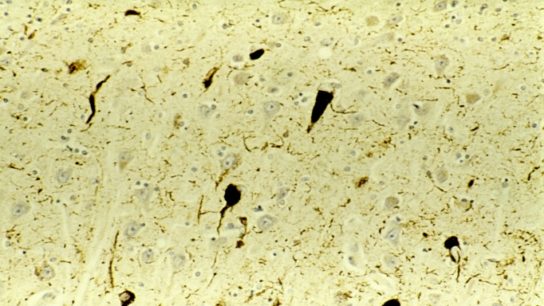
Cerebrospinal fluid, neuroimaging techniques, and blood and skin peripheral tissues may hold the answers to recognizing Alzheimer’s disease earlier.

Diagnosis of rapidly progressive dementias is difficult due to broad pathology and underdeveloped diagnostic criteria for clinical settings.

Cognitive impairment in individuals with major depressive disorder should be treated as a primary problem.

Nonpharmacologic management across multidisciplinary teams is warranted due to lack of effective pharmacologic options to treat agitation.


