
Researchers evaluated the 3-year outcomes of botulinum neurotoxin A treatment among ambulant children with spastic cerebral palsy.
News
A phase 1/2 study is currently underway to evaluate SAR446268 in participants aged 10 to 50 years with non-congenital myotonic dystrophy type 1.
Apitegromab, a fully human monoclonal antibody, works by selectively binding to the pro- and latent forms of myostatin in order to inhibit myostatin activation.
Researchers conducted a cross-sectional study using the Olink Explore 3072 platform to examine plasma proteomics as a biomarker tool for ALS.
Cemdisiran is a subcutaneously-administered, small interfering RNA therapeutic that reduces the production of complement factor 5 in the liver.
The IV formulation of efgartigimod alfa is currently approved under the brand name Vyvgart for the treatment of gMG in adult patients who are anti-acetylcholine receptor antibody positive.
Researchers examined the safety and efficacy of apitegromab in patients with nonambulatory type 2 or type 3 spinal muscular atrophy receiving nusinersen or risdiplam in a double-blind, phase 3 trial conducted at 48 hospitals.
Gefurulimab is a dual-binding nanobody designed to bind to the C5 protein in the terminal complement cascade and prevent the overactivation of the body’s immune system.
Investigators examined the efficacy of combined personalized home-based aerobic exercise and coaching on physical fitness in people with neuromuscular diseases.
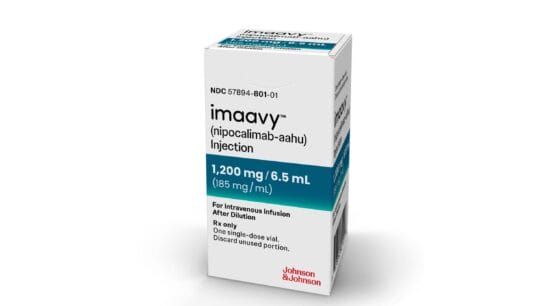
Nipocalimab-aahu is a human immunoglobulin G1 monoclonal antibody that binds with high affinity to the neonatal Fc receptor, resulting in the reduction of circulating IgG levels.

In a phase 3 clinical trial, researchers assessed the efficacy and safety of inebilizumab in patients with generalized myasthenia gravis.
Researchers sought to report on the survival and functional aspects in Italian children with SMA type 1 born since 2016.
Researchers conducted a retrospective longitudinal study to estimate the trends of myasthenia gravis incidence, prevalence, and mortality in the elderly US population.
Eighty-nine percent of patients with CP have one or more documented pain diagnoses; 38.8 percent of patients had nociceptive pain only.
Researchers sought to assess whether changes in clinical practice have occurred regarding the frequency of thymectomy for patients with non-thymomatous myasthenia gravis.
Researchers conducted a randomized, double-blind, placebo-controlled, phase 3 trial to assess the safety and efficacy of arimoclomol in early amyotrophic lateral sclerosis.
Researchers explored whether improved motor outcomes with 24 weeks of treatment with vamorolone were maintained at 48 weeks in boys with Duchenne muscular dystrophy.
Researchers examined the effects of ataluren on clinically meaningful milestones that measure disease progression in patients with Duchenne muscular dystrophy.
In an open-label extension of CHAMPION MG, a phase 3 trial, researchers evaluated the long-term safety and efficacy of ravulizumab among adults with AChRAb+ generalized myasthenia gravis.
In a multicenter phase 3 trial, researchers assessed the efficacy and safety profile of batoclimab in patients with generalized myasthenia gravis.
PGN-EDODM1 is designed to restore cellular function by delivering a peptide-conjugated antisense oligonucleotide that blocks the toxic DMPK transcript CUG repeats.
Researchers sought to determine whether exposure to pesticides is associated with ALS risk and survival in a new cohort.
In a nested-case control study, researchers assessed the association between Guillain-Barré syndrome and both SARS-CoV-2 infection and COVID-19 vaccine.
In a phase 3 trial, researchers assessed the long-term efficacy of valbenazine in patients with Huntington disease chorea.
Researchers sought to assess the risk for Guillain-Barré syndrome following COVID-19 vaccination based on vaccine type in a French population.
Researchers sought to assess the safety and efficacy of efgartigimod in patients with AChR-Ab– generalized myasthenia gravis in the ADAPT-SC study population.
Researchers sought to determine the prevalence of amyloidosis in patients undergoing carpal tunnel release.
Researchers sought to compare disease history and clinical exam findings between Black and White patients with CMT type 1A.
Researchers sought to compare all-cause and MG-related inpatient admissions, outpatient specialist visits, and associated costs during the first and second year following a MG diagnosis.
In a phase 3 study, researchers assessed whether myasthenia gravis symptoms worsened during treatment with zilucoplan.


