
Experts highlighted the importance of early autism diagnosis and intervention, addressing access barriers, disparities in care, and the development of new tools to improve early detection.

Experts highlighted the importance of early autism diagnosis and intervention, addressing access barriers, disparities in care, and the development of new tools to improve early detection.

Prescription digital therapeutics represent the evolving intersection of technology and mental health care – but how do clinicians feel about this new era?

The Council of Autism Service Providers has updated the applied behavior analysis practice guidelines for the treatment of autism spectrum disorder.

Hallucinogens are being evaluated in Phase 2 and Phase 3 clinical trials for their therapeutic potential to treat a wide variety of mental health disorders.

Some individuals with ASD learn to use certain behaviors to minimize or conceal their symptoms so they can be perceived as neurotypical. The term “masking” (also referred to as “camouflaging”) is used to describe these coping strategies.

Understanding how to recognize, diagnose, and manage ASD in adults is critical to being able to provide optimal care for these patients.

Understanding autism symptoms in women can help physicians better identify and support women with ASD, to ultimately improve their quality of life.

In recent years, the prevalence of ASD has been markedly increasing, and the demographics of those diagnosed with ASD has been changing. Understanding the basic facts about ASD and the latest statistics and trends is essential for identifying patients early and providing them with optimal care.

While an experienced clinician can reliably identify ASD in children as young as age 2 years, many do not receive a diagnosis until they are much older. This article describes what you should do to prepare for the initial evaluation if you suspect your child may have ASD, or if you think you might have ASD.

Allison Paugh, a psychiatric mental health nurse practitioner (PMHNP), explains the assessment, diagnosis, and treatment plan for autism from early childhood to adulthood.

In a discussion panel, a pediatric neurologist, a psychiatrist, and a clinical neuropsychologist share their insights on screening for and diagnosing autism.

Preventing compassion fatigue or managing it when it occurs can be difficult in the high stress environment of the medical field.

Dr Caplan discusses the complexities and obstacles of postpartum depression for women physicians, and how the new FDA-approved treatment, zuranolone, may provide hope.
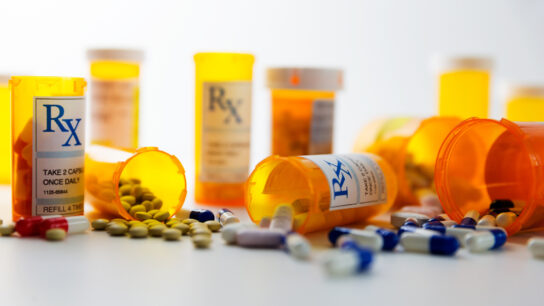
Drs Bloch and Schepis discuss appropriate prescribing practices and alternate treatment strategies amid the nationwide ADHD medication shortage.

Experts discuss the complexities of and best treatment strategies for body image dissatisfaction and disordered eating among LGBTQ+ individuals.

An eye-tracking test has identified a potential performance-based biomarker for the early diagnosis of autism spectrum disorder (ASD).

We spoke with 2 experts about the use of kratom in the US for pain, mood, and anxiety-related issues, and what are the key implications for clinicians.

Mind-body interventions have been shown to reduce depression and anxiety in patients with IBD, but the benefits may extend to improvements in IBD symptoms.

Investigators designed this study to evaluate the feasibility and potential utility of a peer-led CBT-based workshop for PPD.

Looking at stress and university students during the COVID-19 pandemic.

After a school shooting in Uvalde, Texas, Tali Raviv, MD, associate director of the Center for Childhood Resilience at Ann & Robert H. Lurie Children’s Hospital in Chicago, discussed strategies for clinicians to help their clients manage high-profile incidents of violence.

Drs Joshua Rotenberg and Deepa Menon both explain how neurologists facilitate an ASD diagnosis by addressing the common neurological comorbidities in ASD.

Two experts speak about how apps address different needs and use different technologies, but taken together, they shed light on the manifold ways that apps can be used for depression management in clinical practice.

After there was wide-scale public attention to a rap song dealing with suicide, the daily call volumes to the United States Suicide Prevention Lifeline were assessed.
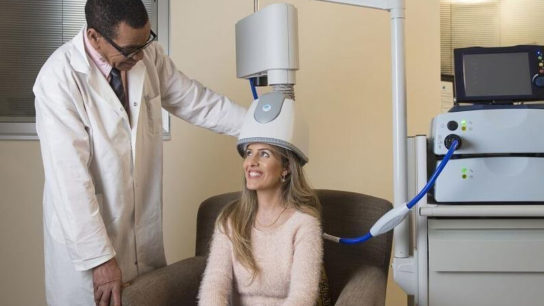
Patients with depression can live with symptoms for a long period of time before finding an option that works. One possibility for patients who are unable to find relief through pharmacology is transcranial magnetic stimulation. An expert offers his view on this form of treatment.
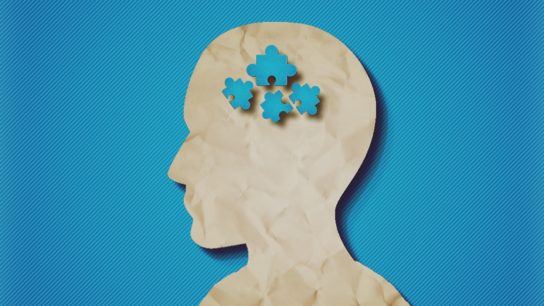
With significant racial inequities existing in access to services for youth with autism spectrum disorder, we spoke with an expert about how those in health care can work together to close these gaps and destigmatize disparities.
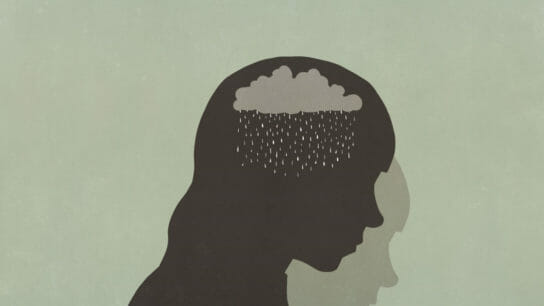
NP expert discusses screening and treatments for anxiety in children and adolescents in the primary care setting.

Although sleep disorders are often difficult to treat, increased knowledge regarding the disordered sleep associated with ASD could lead to effective treatments for these patients.

Testing for genetic variants may allow clinicians to predict how patients with major depressive disorder metabolize antidepressants.

Driven by the No Child Left Behind Act of 2001, school districts responded to pressures to increase school rankings and test scores by having more children tested for ADHD.

You’ve read {{metering-count}} of {{metering-total}} articles this month.
We want you to take advantage of everything Neurology Advisor has to offer. To view unlimited content, log in or register for free.
{{login-button}} {{register-button}}
Want to view more content from Neurology Advisor?
Register now at no charge to access unlimited clinical news with personalized daily picks for you, full-length features, case studies, conference coverage, and more.
{{login-button}} {{register-button}}
Please login or register first to view this content.

