
 Share on Facebook
 Share on Twitter
 Share on LinkedIn
 Share by Email
 Print
Print
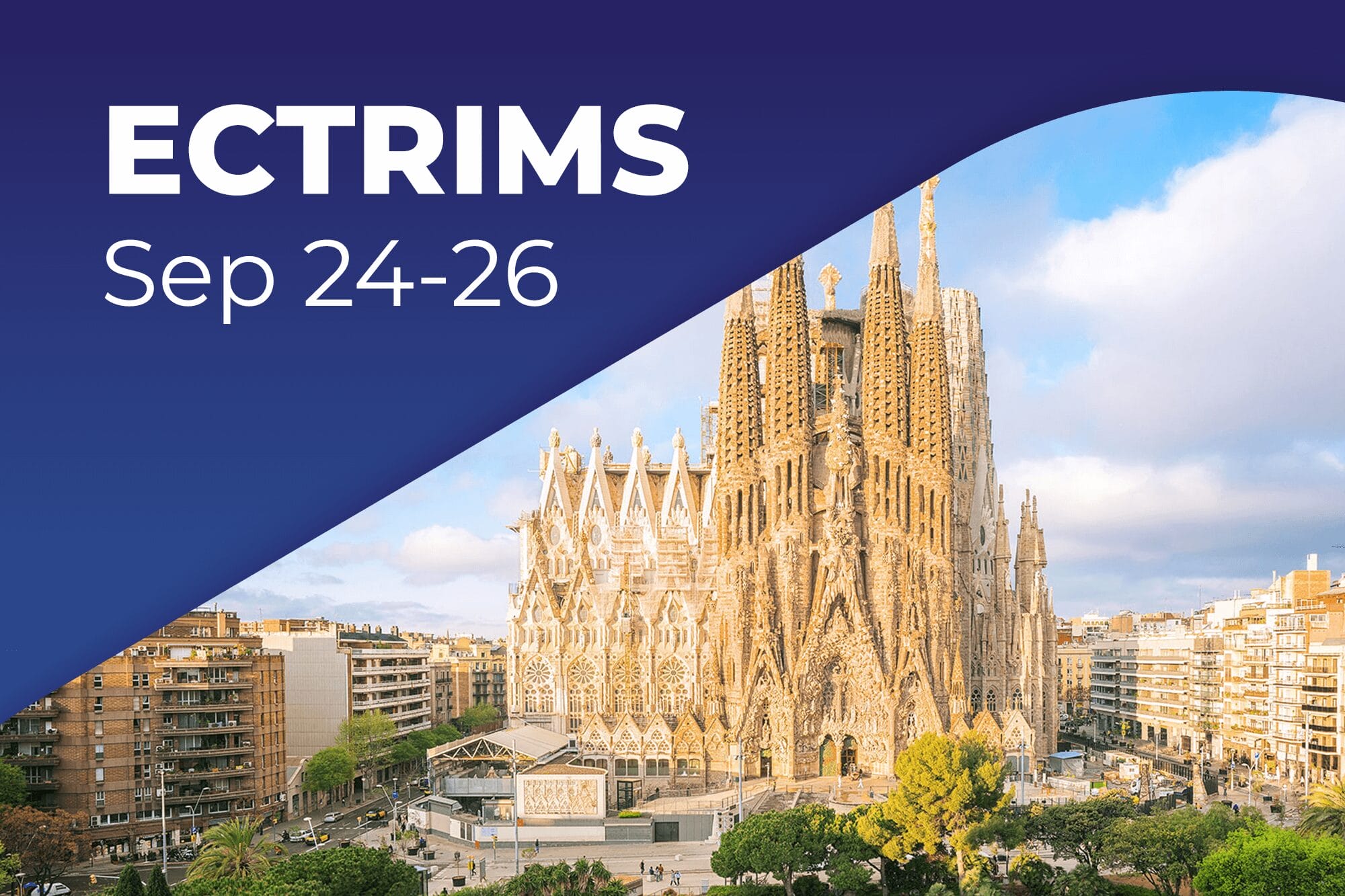

A machine learning–based prediction tool demonstrates consistent performance in estimating risk for recurrent inflammatory disease activity following discontinuation of disease modifying therapy (DMT) among patients with multiple sclerosis (MS), according to study results presented at the European Committee for Treatment and Research in Multiple Sclerosis (ECTRIMS) Congress 2025, held in Barcelona, Spain from September 24 to 26, 2025.
There is no evidence-based approach to guide DMT discontinuation in MS, despite increasing clinical need. Researchers sought to address this gap by creating and validating a decision support tool to predict the risk for renewed disease activity in patients who stop therapy.
The retrospective study analyzed adult patients treated with DMT at a large academic MS center between January 2015 and July 2023. Eligible patients had completed at least 2 clinical visits 30 days apart. A random survival forest model was trained using 5:1 matched groups of DMT continuers and discontinuers, incorporating demographic characteristics, DMT type and efficacy, disease course, patient-determined disease steps, Neuro-Quality-of-Life domains, and time since last relapse or magnetic resonance imaging (MRI) activity. Model validation was performed using the multicenter Discontinuation of Disease Modifying Therapies in Multiple Sclerosis (DISCOMS) randomized clinical trial dataset (ClinicalTrials.gov Identifier: NCT03073603).
The model development cohort included 1104 patients, of whom 184 discontinued therapy, while the validation cohort (from DISCOMS) included 259 patients, with 131 discontinuers. Compared with the validation cohort, the development cohort was younger (mean age, 54 vs 63 years), had higher use of high-efficacy DMTs (14.8% vs 2.3%), greater baseline disease activity (16.1% vs 8.5%), and longer follow-up duration (45.1 vs 22.4 months).
At 2 years, the model achieved an area under the curve of 0.65 in both development and validation cohorts, demonstrating consistent predictive accuracy. The model estimated that discontinuers faced an average 12.6% risk for recurrent inflammatory activity within 2 years. The most influential predictors were time since last inflammatory activity, duration of current DMT use, age, time since last relapse, time since last MRI activity, and DMT efficacy.
“This tool will be implemented in the electronic health record and evaluated in a clinical trial to support a personalized approach to DMT discontinuation,” the study authors concluded.
Disclosures: Multiple study authors declared affiliations with biotech, pharmaceutical, and/or device companies. Please see the original reference for a full list of disclosures.
October 6, 2025
September 29, 2025
September 29, 2025
September 26, 2025
September 26, 2025
September 26, 2025

