
In recognition of National Epilepsy Awareness Month, experts discuss the use of antiseizure medications for the management of epilepsy during pregnancy.

In recognition of National Epilepsy Awareness Month, experts discuss the use of antiseizure medications for the management of epilepsy during pregnancy.

Research linking antiseizure medications with suicidality led to a class-wide safety warning on antiseizure medications, but subsequent studies have provided a more nuanced understanding.

The American Academy of Neurology (AAN), American Epilepsy Society (AES), and Epilepsy Foundation of America (EFA) have released guidance on seizures, driver licensure, and medical reporting.

Jacqueline French, MD, highlights the treatment gap that exists among adolescents with nonmotor seizures that are often missed or misdiagnosed in emergency departments.

Researchers developed an updated practice guideline to advise clinicians on the proper selection of antiseizure medication in people with epilepsy of childbearing potential.

Drs Nicholas Beimer and Patience White discuss the structural and psychosocial barriers that make it difficult for adolescents living with epilepsy to navigate the transition from pediatric to adult care.

Nitin K. Sethi, MD, MBBS, and Gaston C. Baslet, MD, discuss the importance of distinguishing psychogenic nonepileptic seizures (PNES) from epilepsy and the challenges of managing PNES.

In part 2 of this 2-part series, gynecologist Nichole Tyson, MD, and Samuel Frank, her researcher assistant, emphasize the importance of neurologists and gynecologists to work together to optimize patient care in menstrual-related epilepsy.

In part 1 of a 2-part series, neuro-endocrinologist Andrew G. Herzog, MD, CM, discusses the potential pathophysiology of catamenial epilepsy, why research is limited, and how to improve the standard of care.

A 14-year-old adolescent with epilepsy presents with increasing episodes of nosebleeds, increased rate of speech, leg pain with little exercise, and irritable mood. Learn how delayed diagnosis of Graves disease affected her treatment.

Neurology advisor spoke with Charuta Joshi, MBBS regarding the use of the cannabis-based Epidiolex in the treatment of pediatric seizures.

Marvin A. Rossi, MD, PhD, discusses strategies for optimizing telehealth for epilepsy visits.
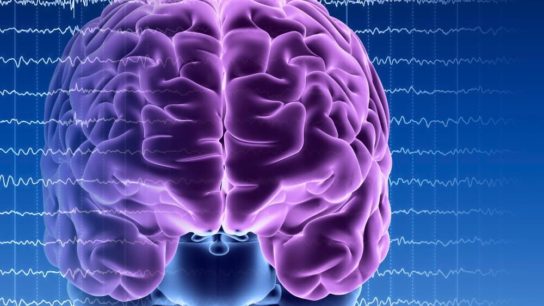
Erin Fecske, DNP, APRN, presents a model for optimizing in-home and facilitated epilepsy telehealth visits at AES2020.

ASDs can facilitate the review of long-term EEG recordings to detect potential epileptiform activity and assist in artifact suppression.

In the past, many epilepsy providers have focused solely on seizure control as a way to improve developmental outcomes and HRQOL; however, we now know that the most effective treatment for pediatric epilepsy is comprehensive.

There are considerations for treating these seizures as part of the overall goals of palliative care, which include the family’s experience.

Studies that have evaluated the use of VNS in children, including those as young as 6 months old, and have generally concluded that it is well tolerated and improves quality of life.

Cognitive and linguistic deficits have been cited as risk factors for psychiatric comorbidity in pediatric epilepsy, along with family factors such as parenting style and quality of the parent-child relationship.

In individuals who can adequately access healthcare appointments, medications, and other treatments, the combination of driving restrictions and sparse or nonexistent public transportation options interferes with daily living and their overall quality of life.

Before we begin to rely more heavily on technology for seizure detection, clinician-patient trust needs to improve.

Risk for mortality in posttraumatic epilepsy is high, and negative outcomes affecting cognitive, affective, and physical function are common.
The International League Against Epilepsy has revised its epilepsy classification system in an effort to inform epilepsy research and aid drug development.

There are several drug-based and non-pharmacological treatments available that can help reduce symptoms of depression in patients with epilepsy.

Functional MRI may provide a less-invasive option for evaluating memory function in patients undergoing epilepsy surgery.

Myoclonic seizures may be easily mistaken for a possible tic disorder if the proper patient monitoring is not conducted during diagnosis.

Medication, plus a relatively sedentary lifestyle, places people with epilepsy at great risk of metabolic syndrome and its various complications.

Some patients who are approaching seizure control can achieve improvement or seizure freedom by addressing sleep issues.

With a lack of official treatment guidelines, clinicians should remember to treat the patient, not just the condition.
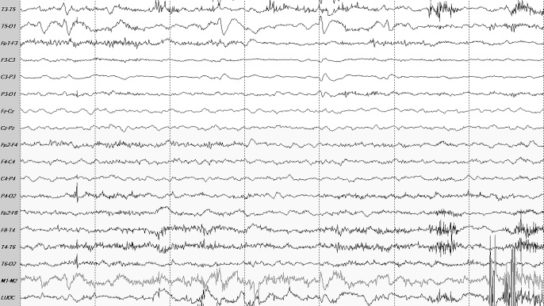
Dr Mary Zupanc of CHOC Children’s recounts a challenging case of refractory seizures in a child with a history of arteriovenous malformation and intracranial hemorrhage.

Taking proper precautions before, during, and after pregnancy can help promote a safe and healthy experience for both mother and baby.

You’ve read {{metering-count}} of {{metering-total}} articles this month.
We want you to take advantage of everything Neurology Advisor has to offer. To view unlimited content, log in or register for free.
{{login-button}} {{register-button}}
Want to view more content from Neurology Advisor?
Register now at no charge to access unlimited clinical news with personalized daily picks for you, full-length features, case studies, conference coverage, and more.
{{login-button}} {{register-button}}
Please login or register first to view this content.

