
Chronic pain is common after traumatic brain injury.

Chronic pain is common after traumatic brain injury.

Presport evaluations are a great opportunity to check in with players about their mental health, and to guide those who are suffering to the relevant specialist.
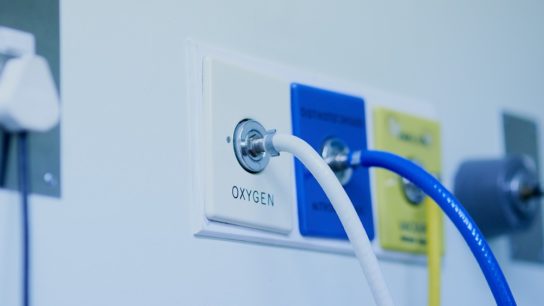
Brief periods of oxygen deprivation to the brain have been shown to provide neuroprotective effects that reduce stroke infarct size and improve recovery times.

Neurologists need to engage their emergency medicine colleagues to identify protocols and pathways for when to trigger appropriate neurological consultation or initiate acute stroke therapies.
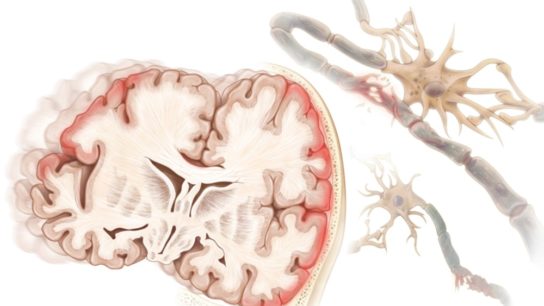
Female athletes face a greater incidence of and longer recovery time from concussion compared with males.
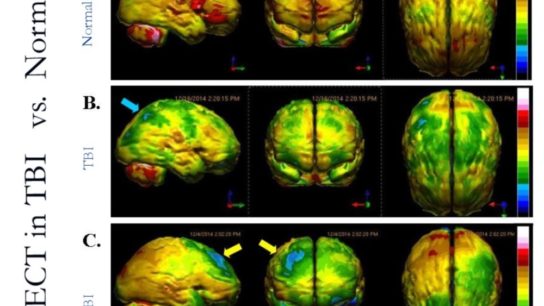
SPECT imaging can be more accurate in the diagnosis of traumatic brain injury and post-traumatic stress disorder than CT or MRI.
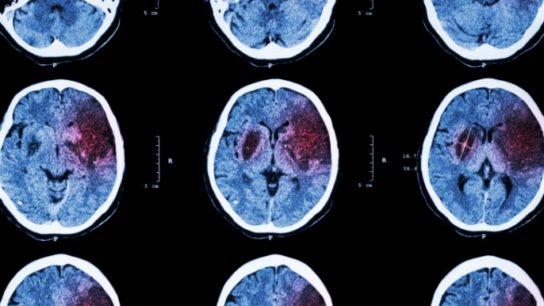
Patients undergoing cardiac surgery should be evaluated for cardiovascular disease to assess stroke risk.

Overlapping clinical characteristics between women with migraine and those using contraceptives may indicate an elevated risk of stroke.
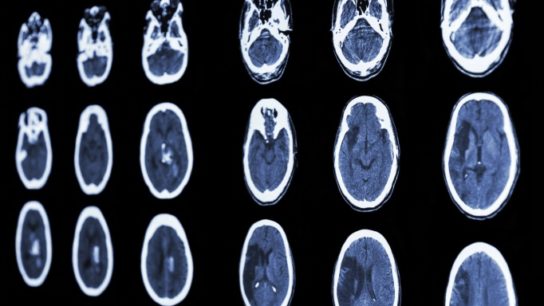
The affect of stroke on young adults goes far beyond functional disabilities.

With no established guidelines, much of the decisions for management of hypertension during stroke are based on clinician experience.
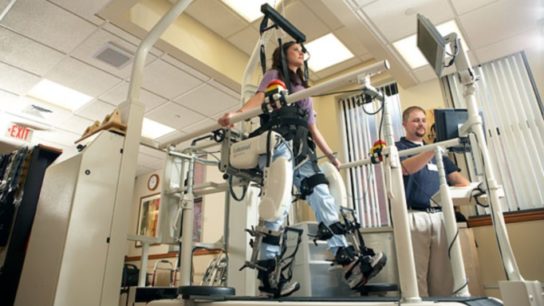
Robotics, stem cell therapy, and computer-controlled interfaces are promising, but cost may slow adoption.
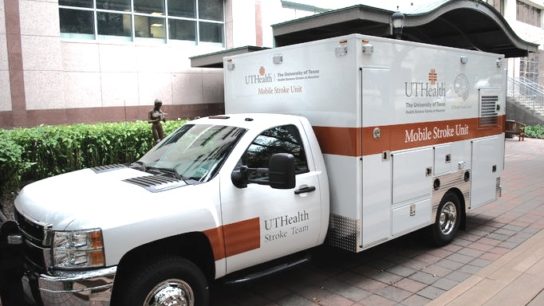
If the UTHealth mobile stroke unit program can show that treating ischemic stroke within 60 minutes is feasible and cost effective, more may start rolling out nationally.

In those older than age 65 years, high BP heightens risk for various forms of heart disease as well as for chronic kidney disease and diabetes mellitus.

You’ve read {{metering-count}} of {{metering-total}} articles this month.
We want you to take advantage of everything Neurology Advisor has to offer. To view unlimited content, log in or register for free.
{{login-button}} {{register-button}}
Want to view more content from Neurology Advisor?
Register now at no charge to access unlimited clinical news with personalized daily picks for you, full-length features, case studies, conference coverage, and more.
{{login-button}} {{register-button}}
Please login or register first to view this content.

