
Experts discuss evidence-based strategies to improve the diagnosis and care of cluster headache.

Experts discuss evidence-based strategies to improve the diagnosis and care of cluster headache.
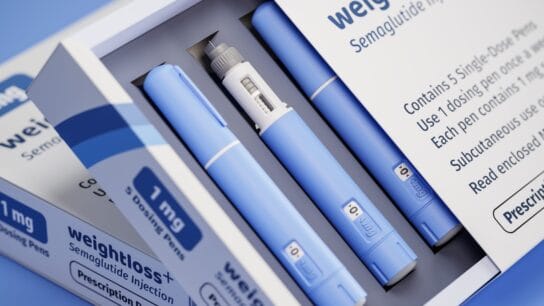
A variety of research into GLP-1 RAs shows a pattern of adverse ocular effects, prompting recommendations for ophthalmic evaluations with their use.

The American College of Physicians released new clinical guidance on the prevention of episodic migraine in adults who are not pregnant or lactating in an outpatient setting.

We’ve developed a comprehensive fact sheet on the side effects, drug interactions, and cost savings of Nurtec ODT for migraine for clinicians to share with their patients.

We’ve developed a comprehensive fact sheet for clinicians to share with patients and caregivers on the differences in diagnosis and treatment for occipital neuralgia vs migraine.

Experts discuss the clinical features of, treatments for, and need for further research on the topic of abdominal migraine in pediatric populations.

The current opioid crisis in the United States requires new approaches to prescription opioid management.

Lauren R. Natbony, MD, takes us on a deep dive into the association between nutrition and dietary patterns in migraine, including proposed mechanisms, and the remaining needs in patient education and research.

An expert roundtable of headache specialists helps outline chronic migraine as its own entity, disparities and barriers to treatment, and a need for better research and education.

In light of Pain Awareness and Arthritis Awareness Month, Lawrence Edwards, MD, discusses the importance of addressing pain in patients with gout and the role of collaboration between clinical specialties during the management of painful gout flares.

The use of triptans is contraindicated in patients with migraine and a history of ischemic stroke or coronary artery disease, although there’s no substantial evidence that they directly increase the risk for vascular events.

The American Society of Pain and Neuroscience has published a best practice guideline for the management and reduction of cancer-associated pain.

Aspirin has been effective for acute migraines both as a solitary modality and in combination with other drugs, and thus has clinical value in treatment and prophylaxis of the migraines overall.

Three types of musculoskeletal pain and differences in diagnostic evaluation and treatment were evaluated in an in-depth systematic review to create a gold standard of care.

Researchers searched publication databases for studies of the gut-brain connection, migraine, and gastric disorders.

Gene therapy shows promise in the management of inherited peripheral neuropathy and the complex array of symptoms that patients experience. Gene therapy holds promise in the management of peripheral neuropathies and in significant improvement of quality of life for patients.

The authors of this review present key epidemiologic data about cancer patients vulnerable for each pain syndrome along with evidence for the management for each condition.

When treating a patient with peripheral neuropathy and weakness of unknown origin, it is important for primary care providers to consider Charcot-Marie-Tooth disease as a differential diagnosis.

The first Health Technology Assessment for the Acute Treatment of Migraine Attacks and Prevention has been published in Cephalalgia by the Clinical Trials Subcommittee of the International Headache Society.
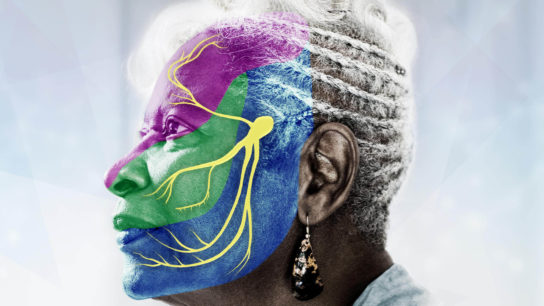
Trigeminal neuralgia is a chronic neuropathic pain disorder that is important to include in the differential diagnosis of head or facial pain.

Dr Amit Akirov examines the evidence suggesting associations between migraine and major depressive disorder (MDD).
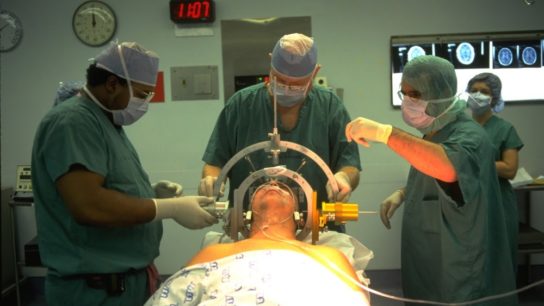
Dr Nicola Davies discusses the potential of deep brain stimulation for the treatment of chronic pain.

Authors of a paper share their perspectives on the topic of chronic pain in individuals with mental health disorders.
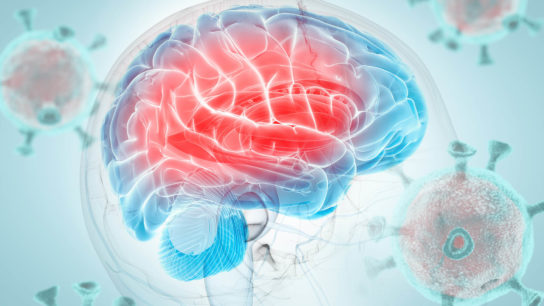
Matthew Robbins, MD, author of “COVID-19 and headache: a primer for trainees,” details how care has changed for patients with chronic headaches in the midst of the COVID-19 pandemic.
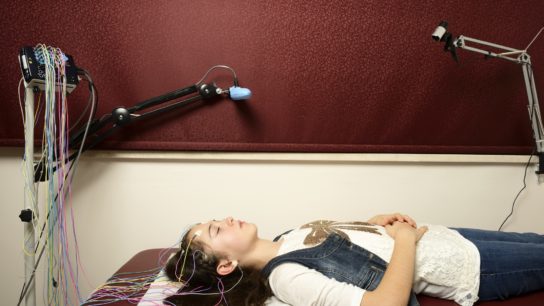
The bidirectional relationship between migraine and sleep disorders are examined in this article.
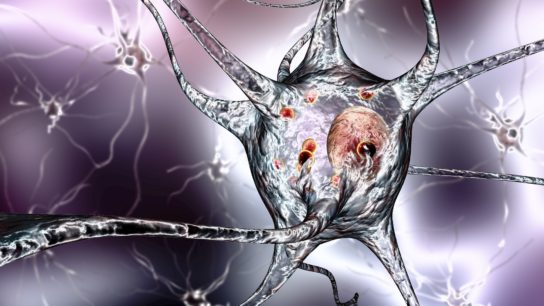
The etiology and management of peripheral neuropathy in Parkinson disease is discussed.
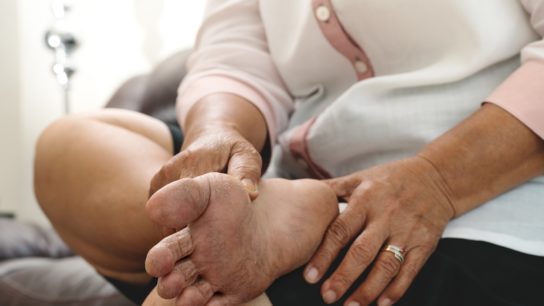
The management of painful diabetic peripheral neuropathy requires the use of effective agents that also may aid in improving sleep and mood.

Paul G. Mathew, MD and Steven D. Bender, DDS, uniquely encounter patients with TMD and migraine in their respective practice and offer their insight regarding the diagnosis and management this often overlooked comorbidity.
A narrative review summarizes recent data on the pathophysiology, epidemiology, and burden of disease and treatment of menstrual migraine.

Although associations between migraine headaches and CVD have been known for more than 40 years, the underlying pathobiology of this connection has not been appreciated until recently.

You’ve read {{metering-count}} of {{metering-total}} articles this month.
We want you to take advantage of everything Neurology Advisor has to offer. To view unlimited content, log in or register for free.
{{login-button}} {{register-button}}
Want to view more content from Neurology Advisor?
Register now at no charge to access unlimited clinical news with personalized daily picks for you, full-length features, case studies, conference coverage, and more.
{{login-button}} {{register-button}}
Please login or register first to view this content.

