
Shashank Suresh, MD, takes us on a deep dive into the importance of immune-related adverse events, including immune-related myositis, which can be triggered by immune checkpoint inhibitor therapy.

Shashank Suresh, MD, takes us on a deep dive into the importance of immune-related adverse events, including immune-related myositis, which can be triggered by immune checkpoint inhibitor therapy.

Two neurologists explain the importance of virtual residency recruitment to promote diversity, equity, and inclusion in neurology, and the future of hybrid recruitment and its challenges.

Equality assures that everyone receives the same thing, but equity assures that everyone gets what they need.

In addition to instituting flexible work schedules to attract and retain employees, practices can consider technologic solutions that reduce staffing needs by improving office efficiency.

An expert roundtable of headache specialists helps outline chronic migraine as its own entity, disparities and barriers to treatment, and a need for better research and education.

An update on where women stand in academia, in specialties such as infectious diseases and internal medicine, and the disproportionate impact of the COVID-19 pandemic on women.

NASEM offers recommendations for communicating with parents of young children about COVID-19 vaccines.

A study identifies alterations in binocular vision among patients with multiple sclerosis.

Recent research and an interviews with cardiologists highlight health disparities in heart failure care.
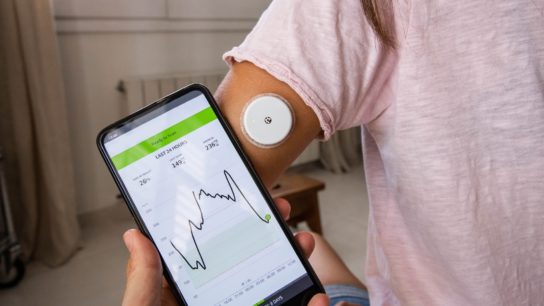
Hackers target vulnerabilities using legitimate software packages, a cybersecurity specialist says.

An overview on the role of alcohol use in dementia, using findings from various studies and expert commentary from Cynthia A. Munro, PhD, ABBP(CN).

In light of Pain Awareness and Arthritis Awareness Month, Lawrence Edwards, MD, discusses the importance of addressing pain in patients with gout and the role of collaboration between clinical specialties during the management of painful gout flares.

In an interview, sleep medicine experts Milena K Pavlova, MD, and Rachel Ziegler, MD, discuss the latest developments in sleep disorder therapies and the existing gaps in sleep medicine.

Compared with nonpharmacologic approaches, research consistently supports the benefits of medication for opioid use disorder, including fewer deaths, higher rates of sustained recovery, and greater cost-effectiveness.

A 14-year-old adolescent with epilepsy presents with increasing episodes of nosebleeds, increased rate of speech, leg pain with little exercise, and irritable mood. Learn how delayed diagnosis of Graves disease affected her treatment.

The use of triptans is contraindicated in patients with migraine and a history of ischemic stroke or coronary artery disease, although there’s no substantial evidence that they directly increase the risk for vascular events.

The American Society of Pain and Neuroscience has published a best practice guideline for the management and reduction of cancer-associated pain.

The pandemic has accelerated the number of clinicians retiring from practice.

An overview of the role of statins in reducing in-hospital deaths due to COVID-19, using findings from the American Heart Association’s COVID-19 Cardiovascular Disease Registry.

Primary central nervous system vasculitis is an important but rare differential diagnosis in daily neurological practice, warranting the need of a step by step approach.

Neurology advisor spoke with Charuta Joshi, MBBS regarding the use of the cannabis-based Epidiolex in the treatment of pediatric seizures.

In research settings, including patients with neurodegenerative diseases presents challenges regarding consent, communication, and ability to participate that must be addressed in order to avoid evidence-biased care.

Many organizations adopt overly conservative policies that restrict otherwise completely legal uses of health care data.

The American College of Obstetricians and Gynecologists (ACOG) strongly recommends that all eligible individuals, including those who are pregnant, recently pregnant, and lactating, receive a COVID-19 vaccine.

Early diagnosis and treatment of SMA can limit disease progression in children and adults, extending life expectancy and improving QOL.

The American Academy of Pediatrics (AAP) released a policy statement and an accompanying clinical report on identifying and addressing the effects of trauma and stress on children, families, and their health care providers.

Expert discusses common medical record documentation mistakes, including failing to update prepopulated or copied notes from a previous visit.

The 2021 MAGNIMS-CMSC-NAIMS provided updated consensus recommendations on MRI use in the management of multiple sclerosis.

Physicians have been under greater stress as a result of the COVID-19 pandemic, but they can take steps to lower the risk of burnout.

Among other considerations, health care providers must avoid giving individual medical advice.

You’ve read {{metering-count}} of {{metering-total}} articles this month.
We want you to take advantage of everything Neurology Advisor has to offer. To view unlimited content, log in or register for free.
{{login-button}} {{register-button}}
Want to view more content from Neurology Advisor?
Register now at no charge to access unlimited clinical news with personalized daily picks for you, full-length features, case studies, conference coverage, and more.
{{login-button}} {{register-button}}
Please login or register first to view this content.

