
Danny Eckert, PhD, a researcher on human sleep and respiratory physiology, explains the potential bidirectional relationship and the clinical complications of COMISA, comorbid insomnia and sleep apnea.

Danny Eckert, PhD, a researcher on human sleep and respiratory physiology, explains the potential bidirectional relationship and the clinical complications of COMISA, comorbid insomnia and sleep apnea.

Timothy S. Chang, MD, PhD and Lisa L. Barnes, PhD, discuss health disparities in ADRD and how to improve clinical outcomes for patients from underrepresented groups.

Individuals with gastroesophageal reflux disease have a higher prevalence of psychiatric disorders, which calls for a multidisciplinary approach to treatment.

The polio strain linked to 2 paralytic polio cases in New York and Israel has been found in sewage water in New York City, London, and Jerusalem.

Joseph D. Dougherty, PhD discusses genetic compounds’ ability to clear amyloid-β from the brain in patients with Alzheimer disease.

Sameed Khatana MD, and Barrak Alahmad, MD, discuss the impact of climate change on patients’ risk for cardiovascular disease.

Christa O’Hana S. Nobleza, MD, MSCI, a board certified physician who specializes in neurocritical care, highlights the importance of addressing mental health needs and finding solutions for physicians.
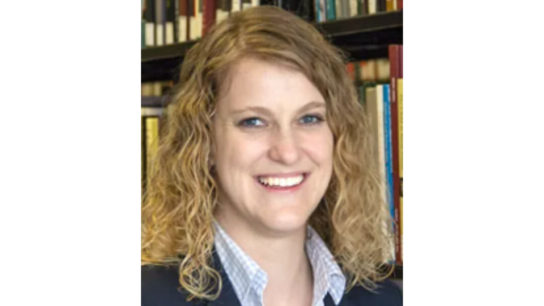
Dr Alissa Davis, an Epidemiologist at Columbia University, discusses steps to contain the monkeypox outbreak, including the importance of appropriate messaging and addressing misinformation.

Thomas Gillingwater, PhD, discusses how critical it is to start SMA treatment early in infants before the onset of symptoms.

Following the reversal of Roe vs Wade, Audrey Nath, MD, PhD, discusses its implications on neurologists and the standard neurologic care they provide for their patients.

Patients with AF with a high bleeding risk and a low stroke risk may benefit from LAAO over oral anticoagulation.

Aduhelm, a monoclonal antibody that targets amyloid-beta, is covered under Medicare for beneficiaries enrolled in clinical trials.

Looking at stress and university students during the COVID-19 pandemic.

New and improved to provide a more modern and readable format for the latest neurology news for today’s neurologists.

We spoke with Rebecca Edelmayer, PhD, the Alzheimer’s Association Senior Director of Scientific Engagement, about studies presented at the Alzheimer’s Association International Conference (AAIC) 2022 regarding individual’s life experiences and brain health.

The most common symptoms of monkeypox that have neurologic origins may also be related to infectious disease overall.

A biomarker for both ALS and FTD, 2 neurological disorders that share clinical, genetic, and pathological traits, can help signal disease onset and the progression of degeneration.

David Howell, PhD; and Heather Sesma, PhD; provide insight into the specific sequelae of concussion in youth and risk for subsequent mental health issues.

In addition to the physical risks, experts anticipate a myriad of mental health ramifications stemming from the loss of abortion access and the associated economic and occupational repercussions.

The main focus of the debate surrounding pediatric bipolar disorder pertains to the concept of a prepubertal subtype of the disorder.

Ines Moreno-Gonzalez, PhD, an adjunct associate professor of neurology, explains healthy aging can help reduce lifestyle risk factors for Alzheimer disease.

The author describes the evolution of the workweek and how shortening the expected hours for full-time work without a decrease in compensation may increase the well-being of health care providers while not decreasing current productivity.

Geriatric specialists discuss the long-term physical, mental, and social effects of the COVID-19 pandemic on people living with dementia and their caregivers.

Patients trust that what they tell their doctors will remain confidential, but under certain specific circumstances, the doctors may be obligated to breach that trust.

David O. Carpenter, MD, a public health physician, discusses the need for more research on gene-environment interactions that may contribute to altered cognition in older adults.

After a school shooting in Uvalde, Texas, Tali Raviv, MD, associate director of the Center for Childhood Resilience at Ann & Robert H. Lurie Children’s Hospital in Chicago, discussed strategies for clinicians to help their clients manage high-profile incidents of violence.

Stroke-associated pneumonia research over the past 2 decades has yielded significant insight into SAP risk factors, diagnostic measures, and management strategies.

While food insecurity is a leading public health issue, research shows that nutrition security may be a better target for disease prevention strategies.

Analiz Rodriguez, MD, a neurosurgeon in Arkansas, recounts her experience with misogynoir during her residency training and the toll it took on her as a Black woman.

Patients rated female doctors more on their interpersonal skills and not much on their technical competence, a study found.

You’ve read {{metering-count}} of {{metering-total}} articles this month.
We want you to take advantage of everything Neurology Advisor has to offer. To view unlimited content, log in or register for free.
{{login-button}} {{register-button}}
Want to view more content from Neurology Advisor?
Register now at no charge to access unlimited clinical news with personalized daily picks for you, full-length features, case studies, conference coverage, and more.
{{login-button}} {{register-button}}
Please login or register first to view this content.

