
Richard K. Bogan, MD, discusses the importance of lowering sodium intake and improving heart health for patients with narcolepsy.

Richard K. Bogan, MD, discusses the importance of lowering sodium intake and improving heart health for patients with narcolepsy.

Nurulamin Noor, MD, discusses the advantages and challenges of a MAMS adaptive trial design for PMS.

Caffeine consumption may play a protective role against several eye diseases, according to data published in the research.

Drs Joshua Rotenberg and Deepa Menon both explain how neurologists facilitate an ASD diagnosis by addressing the common neurological comorbidities in ASD.

Suma Shah, MD, reveals the many ways women in neurology are underrepresented and the steps women can take to close the gender gap in multiple areas of the field.

Apps for detecting sleep apnea are increasingly popular, but are they effective — and is the data they generate relevant for clinicians?

Nitin K. Sethi, MD, MBBS, and Gaston C. Baslet, MD, discuss the importance of distinguishing psychogenic nonepileptic seizures (PNES) from epilepsy and the challenges of managing PNES.

Two experts speak about how apps address different needs and use different technologies, but taken together, they shed light on the manifold ways that apps can be used for depression management in clinical practice.

Experts discuss the clinical features of, treatments for, and need for further research on the topic of abdominal migraine in pediatric populations.

After there was wide-scale public attention to a rap song dealing with suicide, the daily call volumes to the United States Suicide Prevention Lifeline were assessed.

Suzette Oyeku, MD, MPH, speaks to us about the existing disparities in childhood COVID-19 vaccine access and the role of providers in ensuring vaccine uptake among pediatric populations.

Jiu-Chiuan Chen, MD, ScD and Diana Younan, PhD, MPH discuss the importance of understanding the relationship between air pollution and dementia risk and how clinicians can help patients mitigate their risk.

In this episode, neurologist Michael Kornberg, MD, and rheumatologist Laura C. Cappelli, MD, speak with us about how to improve the management of patients with rheumatologic conditions with neurologic manifestations.

Dr Ryan Maves, CHEST COVID-19 Task Force Chair, talks about COVID-19-related triumphs of 2021, what clinicians can do now, and challenges for 2022.

Lavanya Visvabharathy, PhD, Anna Cervantes-Arslanian, MD, and Jonathan Rogers, PhD, provide a closer look into the phenomenon known as “long-haul COVID” and its potential neurologic effects.

Gary Small, MD, and Sandra Bond Chapman, PhD, delve into the definition of brain health, how to preserve it at any age, and how to promote brain health to the public.

Barney Stern, MD, and Andrew Russman, DO, share how the COVID-19 pandemic has changed neurology practice, including patient access to care, staffing shortages, and increased burnout.

Approximately 5% to 10% of shift workers, including many health care professionals, have shift work disorder, a circadian sleep-wake cycle disorder defined by poor quality sleep.

When patients are able to articulate their beliefs, it can help them move from making what may have been an unconscious choice into a conscious one.

The current opioid crisis in the United States requires new approaches to prescription opioid management.

Lauren R. Natbony, MD, takes us on a deep dive into the association between nutrition and dietary patterns in migraine, including proposed mechanisms, and the remaining needs in patient education and research.

In an interview, Jeffrey S Berger, MD, shares his thoughts on updated USPSTF guidelines that address risk of major bleeding from aspirin use for primary prevention of CVD.

Psychiatrists and other mental health professionals are increasingly being asked to write letters certifying patients’ and clients’ animals as emotional support animals.
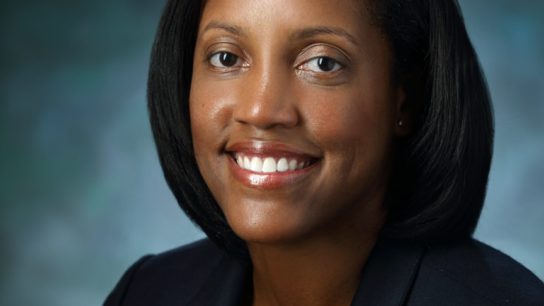
In this Q&A, Erica Johnson, MD, provides insight into the new oral antiviral medications that may soon be approved for the treatment of COVID-19.

In part 2 of this 2-part series, gynecologist Nichole Tyson, MD, and Samuel Frank, her researcher assistant, emphasize the importance of neurologists and gynecologists to work together to optimize patient care in menstrual-related epilepsy.

Developing an effective case management approach should be a key component of any effort to adapt to the changing patient care environment.

In part 1 of a 2-part series, neuro-endocrinologist Andrew G. Herzog, MD, CM, discusses the potential pathophysiology of catamenial epilepsy, why research is limited, and how to improve the standard of care.

The widespread use of cannabis and the public perception that it is harmless make screening and patient counseling a priority.

The biggest security risk is that legacy systems have no vendor support, putting them at heightened risk for cyberattacks.

The link between head injury and dementia risk is not straightforward, but a neurologist and neuropsychologist discuss potential mechanisms and prevention efforts that can help increase awareness and minimize cognitive problems.

You’ve read {{metering-count}} of {{metering-total}} articles this month.
We want you to take advantage of everything Neurology Advisor has to offer. To view unlimited content, log in or register for free.
{{login-button}} {{register-button}}
Want to view more content from Neurology Advisor?
Register now at no charge to access unlimited clinical news with personalized daily picks for you, full-length features, case studies, conference coverage, and more.
{{login-button}} {{register-button}}
Please login or register first to view this content.

