
Neurologists and a neuropsychologist discuss the management of neurologic symptoms in post-COVID care programs at their respective institutions.

Neurologists and a neuropsychologist discuss the management of neurologic symptoms in post-COVID care programs at their respective institutions.

Researchers examine the link between sickle cell disease and cerebrovascular incidents.

The International Advisory Committee on Clinical Trials in Multiple Sclerosis updated their guidelines on differential diagnosis of potential MS.
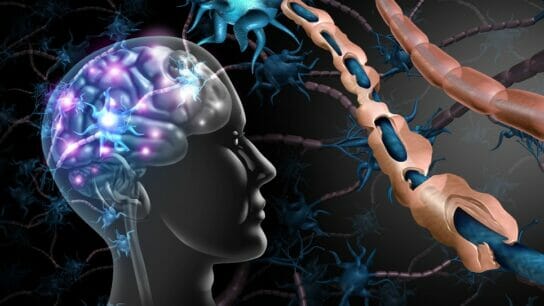
Some viral infections have been implicating in either driving the pathophysiology of multiple sclerosis or making it worse.

The compensation disparities between primary care physicians and specialists and between male and female physicians continues to be a subject of ongoing concern.

The American Medical Association (AMA) releases an annual National Burnout Benchmarking report, which provides data on physician job satisfaction and burnout.

Vaping, which delivers more nicotine than smoking, has exponentially increased in teens and adults. Harmful effects are evident, but long-term research is lacking.
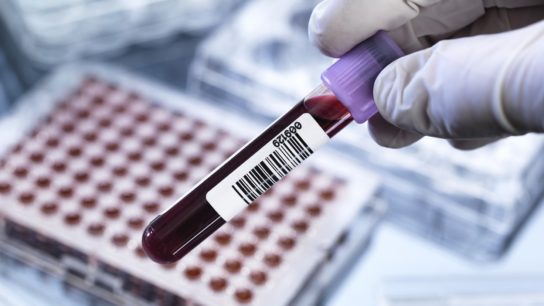
Blood tests for Alzheimer disease may improve diagnostic accuracy and treatment options.

Polypill therapy for cardiovascular disease may help address some barriers to care and health care disparities.

Research on the potential link between vaccines and Guillain-Barre syndrome has mixed findings — some indicate a minimal association; others do not find a significant causal relationship.

We spoke with 2 experts about the use of kratom in the US for pain, mood, and anxiety-related issues, and what are the key implications for clinicians.

Finding the time to get away and relax should not be treated as a luxury, especially in the high stress work environment that is the medical field.

The American Heart Association/American Stroke Association developed the most up-to-date treatment guidelines on aneurysmal subarachnoid hemorrhage.

Sandeep Prakash Khot, MD, MPH, discusses how sleep disorders can add to the burden of stroke and recurrent stroke, and how to improve prevention and treatment strategies for both conditions.

The efficacy and safety of treatments for RRMS and the effect of diet on mental health disorders in this patient population were the focus of compelling research at CMSC 2023.

A multidisciplinary special interest group developed a consensus-based guideline for the diagnosis and management of spontaneous intracranial hypotension.

The CHEST guideline includes recommendations on NIV, mechanical ventilation, PFT, screening for respiratory failure and sleep-related breathing disorders, and more.

Two stroke specialists and a physiotherapist discuss the emergence of virtual reality (VR) in neurorehabilitation and the future of VR research.

Mind-body interventions have been shown to reduce depression and anxiety in patients with IBD, but the benefits may extend to improvements in IBD symptoms.
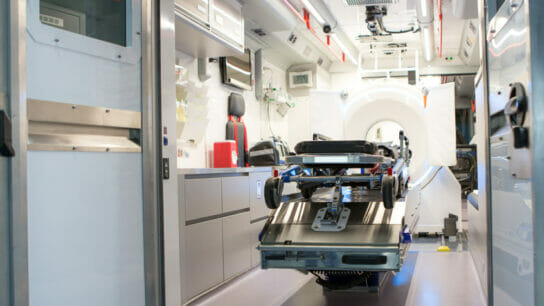
Two neurologists discuss the barriers to timely tPA administration in acute stroke, including the implementation of mobile stroke units.

Investigators designed this study to evaluate the feasibility and potential utility of a peer-led CBT-based workshop for PPD.

Lauren McDermott, a patient living with atypical SPS, shares her journey from receiving an official diagnosis to the treatments that help her manage her condition.

The Wake Up America Survey is an annual online survey conducted in partnership with The Harris Poll.
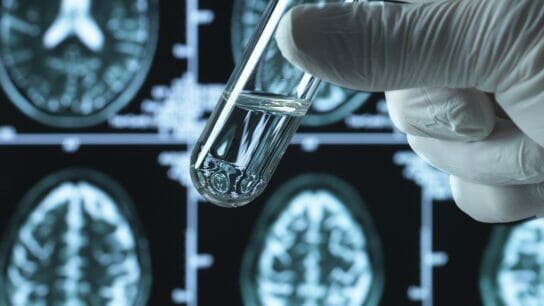
In an expert roundtable, clinicians discuss the risks, benefits, and anticipated real-world usage of lecanemab following US FDA approval.

Robyn Tiger, MD, radiologist and founder of StressFreeMD, talks about physician burnout and strategies for addressing stress-related illness.

Marinos Dalakas, MD, discusses the etiology, diagnosis, and treatment of stiff person syndrome (SPS), and the future of SPS research.

Research findings support the use of vitamin D supplementation to help slow cognitive decline in Alzheimer dementia and reduce Parkinson disease symptom severity.
These are the clinical trials that led to the FDA’s approval of aducanumab and lecanemab for early AD, plus, the concerns that loom.
Mehdi Jorfi, PhD, discusses the opportunities to optimize the development and application of neurotechnologies for AD.

Findings published in 2020 suggest that irregular sleep schedules may increase CVD risk independent of sleep quality or duration.

You’ve read {{metering-count}} of {{metering-total}} articles this month.
We want you to take advantage of everything Neurology Advisor has to offer. To view unlimited content, log in or register for free.
{{login-button}} {{register-button}}
Want to view more content from Neurology Advisor?
Register now at no charge to access unlimited clinical news with personalized daily picks for you, full-length features, case studies, conference coverage, and more.
{{login-button}} {{register-button}}
Please login or register first to view this content.

