
Zohran Mamdani’s campaign platform outlined an ambitious plan to expand access to health care and strengthen New York City’s public health infrastructure.

Zohran Mamdani’s campaign platform outlined an ambitious plan to expand access to health care and strengthen New York City’s public health infrastructure.

Changes in estrogen are often solely attributed to the menopause-CVD connection. How can physicians avoid overfocusing on hormones in menopause?

The AHA’s Target BP initiative is a movement to increase blood pressure control among adults living with hypertension in the United States.

As gestational diabetes becomes more common, it is important for physicians to consider its long-term effect on health, including cardiovascular health.

Ravi B Parikh, MD, MPP discusses the current and future use of artificial intelligence (AI) in the greater US health care system.

Leaders who recognize the humanity in their employees can earn exceptional engagement and unwavering loyalty.

Susan C Winckler, CEO of the Reagan-Udall Foundation, helps shed light on how the Chevron ruling may affect practicing physicians.

Bryan Kuderna, a certified financial planner, examines the prospect of medical school debt forgiveness and outlines loan repayment plans available to US physicians.

Wildfire smoke health effects, including cardiovascular disease, are in need of further study as climate change intensifies.

Examining the patient perspective on modifying lifestyle factors to prevent and help manage symptoms of atrial fibrillation.

Over the summer, the FDA issued recalls for several medications and devices, including certain digoxin tablets, intra-aortic balloon pumps, and catheters.

Daily aspirin use for primary prevention of cardiovascular disease has been recommended against by the US Preventive Services Task Force.

Vaping, which delivers more nicotine than smoking, has exponentially increased in teens and adults. Harmful effects are evident, but long-term research is lacking.

Finding the time to get away and relax should not be treated as a luxury, especially in the high stress work environment that is the medical field.

Robyn Tiger, MD, radiologist and founder of StressFreeMD, talks about physician burnout and strategies for addressing stress-related illness.

The polio strain linked to 2 paralytic polio cases in New York and Israel has been found in sewage water in New York City, London, and Jerusalem.
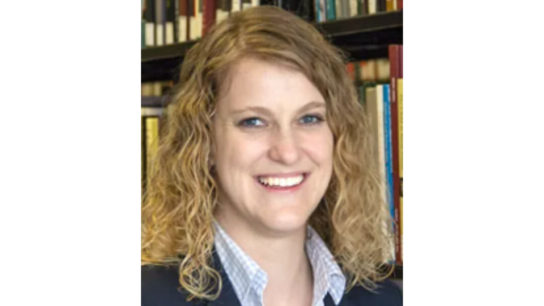
Dr Alissa Davis, an Epidemiologist at Columbia University, discusses steps to contain the monkeypox outbreak, including the importance of appropriate messaging and addressing misinformation.

New and improved to provide a more modern and readable format for the latest neurology news for today’s neurologists.

Patients trust that what they tell their doctors will remain confidential, but under certain specific circumstances, the doctors may be obligated to breach that trust.

Patients rated female doctors more on their interpersonal skills and not much on their technical competence, a study found.

Suzette Oyeku, MD, MPH, speaks to us about the existing disparities in childhood COVID-19 vaccine access and the role of providers in ensuring vaccine uptake among pediatric populations.

Dr Ryan Maves, CHEST COVID-19 Task Force Chair, talks about COVID-19-related triumphs of 2021, what clinicians can do now, and challenges for 2022.

Psychiatrists and other mental health professionals are increasingly being asked to write letters certifying patients’ and clients’ animals as emotional support animals.
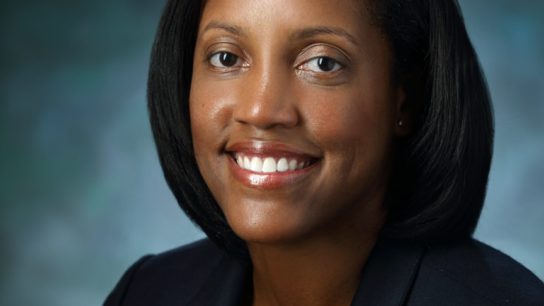
In this Q&A, Erica Johnson, MD, provides insight into the new oral antiviral medications that may soon be approved for the treatment of COVID-19.

Developing an effective case management approach should be a key component of any effort to adapt to the changing patient care environment.

The widespread use of cannabis and the public perception that it is harmless make screening and patient counseling a priority.

The biggest security risk is that legacy systems have no vendor support, putting them at heightened risk for cyberattacks.

Equality assures that everyone receives the same thing, but equity assures that everyone gets what they need.

An update on where women stand in academia, in specialties such as infectious diseases and internal medicine, and the disproportionate impact of the COVID-19 pandemic on women.
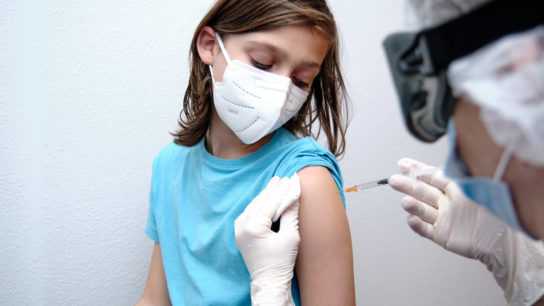
NASEM offers recommendations for communicating with parents of young children about COVID-19 vaccines.

You’ve read {{metering-count}} of {{metering-total}} articles this month.
We want you to take advantage of everything Neurology Advisor has to offer. To view unlimited content, log in or register for free.
{{login-button}} {{register-button}}
Want to view more content from Neurology Advisor?
Register now at no charge to access unlimited clinical news with personalized daily picks for you, full-length features, case studies, conference coverage, and more.
{{login-button}} {{register-button}}
Please login or register first to view this content.

