
Dr L’Erario shares insights on the evolving landscape of neurologic care for transgender and gender-diverse patients, highlighting key clinical considerations and needs to advance equity and outcomes in this underserved population.

Dr L’Erario shares insights on the evolving landscape of neurologic care for transgender and gender-diverse patients, highlighting key clinical considerations and needs to advance equity and outcomes in this underserved population.
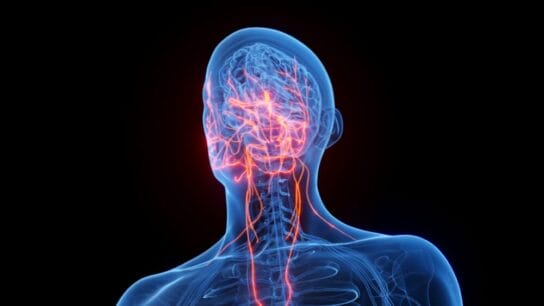
We spoke with Mark Richardson, MD, PhD, and John Tesser, MD, to discuss vagus nerve stimulation for the treatment RA and results of the pivotal RESET-RA trial.

Drs O’Neal and Eid share their experiences entering the field of neurology, the challenges they face, and advice for future women neurologists.

Dr Mikhail Kogan and partner attorney Griffen J Thorne discuss what the reclassification of marijuana could mean for practicing physicians.

David Hasan, MD, MSc, shares his experience on providing health care in an active war zone and how these missions changed his perspective as a neurosurgeon.

This Domestic Violence Awareness Month, Psychiatry Advisor spoke with Allison Paugh to discuss best practices when encountering cases of suspected IPV during teletherapy.

Psychiatry Advisor spoke with Michelle Lewis to discuss how color psychology can play an important role in the design of health care spaces and physician branding.

The ICHOM developed an international consensus on standard outcome measures for the treatment of neurodevelopmental disorders.

Neurology Advisor surveyed and interviewed physicians in the United States to better understand the incidence of burnout and how self care activities can provide relief.

Bruce H. Cohen, MD, and Amy K. Guzik, MD, explain the importance of Neurology on the Hill and how it helps neurologists better improve clinical care by advocating for their patients.

Diagnosing patients with neurologic Lyme disease can take upwards of 2 years, which Maria Arini Lopez discovered first-hand in the spring of 2021.

Nearly 50% of patients with dizziness can leave the clinician with an incorrect diagnosis or no official diagnosis at all.

To address the mental health crisis facing the medical community, physicians are spearheading efforts to develop resources to support their peers.
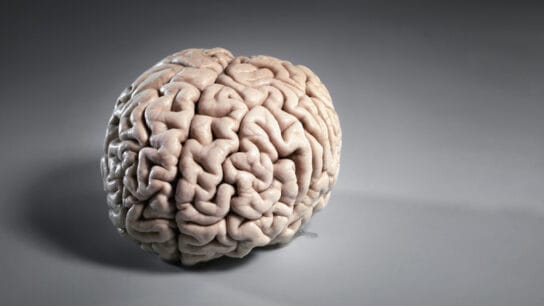
The AAN, AAP, CNS, and SCCM released an update on the practice guideline for clinicians on the determination of brain death for adult and pediatric patients.

Two neurologists discuss their experiences in treating asylum seekers and refugees and the future of mitigating treatment barriers.

Breathwork has been found to have powerful effects on mental health, stress, heart rate, respiratory dynamics, and blood pressure.

Paul Auwaerter, MD, an expert in Lyme disease, explains the importance of raising awareness about Lyme neuroborreliosis, to better improve diagnosis and treatment.

Neurologists and a neuropsychologist discuss the management of neurologic symptoms in post-COVID care programs at their respective institutions.

A multidisciplinary special interest group developed a consensus-based guideline for the diagnosis and management of spontaneous intracranial hypotension.

Two stroke specialists and a physiotherapist discuss the emergence of virtual reality (VR) in neurorehabilitation and the future of VR research.
Research findings support the use of vitamin D supplementation to help slow cognitive decline in Alzheimer dementia and reduce Parkinson disease symptom severity.

Individuals with gastroesophageal reflux disease have a higher prevalence of psychiatric disorders, which calls for a multidisciplinary approach to treatment.

Following the reversal of Roe vs Wade, Audrey Nath, MD, PhD, discusses its implications on neurologists and the standard neurologic care they provide for their patients.

The most common symptoms of monkeypox that have neurologic origins may also be related to infectious disease overall.

In addition to the physical risks, experts anticipate a myriad of mental health ramifications stemming from the loss of abortion access and the associated economic and occupational repercussions.

David O. Carpenter, MD, a public health physician, discusses the need for more research on gene-environment interactions that may contribute to altered cognition in older adults.

While food insecurity is a leading public health issue, research shows that nutrition security may be a better target for disease prevention strategies.

Caffeine consumption may play a protective role against several eye diseases, according to data published in the research.

Lavanya Visvabharathy, PhD, Anna Cervantes-Arslanian, MD, and Jonathan Rogers, PhD, provide a closer look into the phenomenon known as “long-haul COVID” and its potential neurologic effects.

Gary Small, MD, and Sandra Bond Chapman, PhD, delve into the definition of brain health, how to preserve it at any age, and how to promote brain health to the public.

You’ve read {{metering-count}} of {{metering-total}} articles this month.
We want you to take advantage of everything Neurology Advisor has to offer. To view unlimited content, log in or register for free.
{{login-button}} {{register-button}}
Want to view more content from Neurology Advisor?
Register now at no charge to access unlimited clinical news with personalized daily picks for you, full-length features, case studies, conference coverage, and more.
{{login-button}} {{register-button}}
Please login or register first to view this content.

